A landscape is not the whole history of painting with water. Albums, court pictures, botanical studies and intimate observations belong here too. Each work has a museum source, a reproduction licence and a discussion of why it earns a place on the wall.
Start anywhere. Compare how an empty space, a painted edge or a tiny figure changes the whole picture. The kettle can wait a minute.
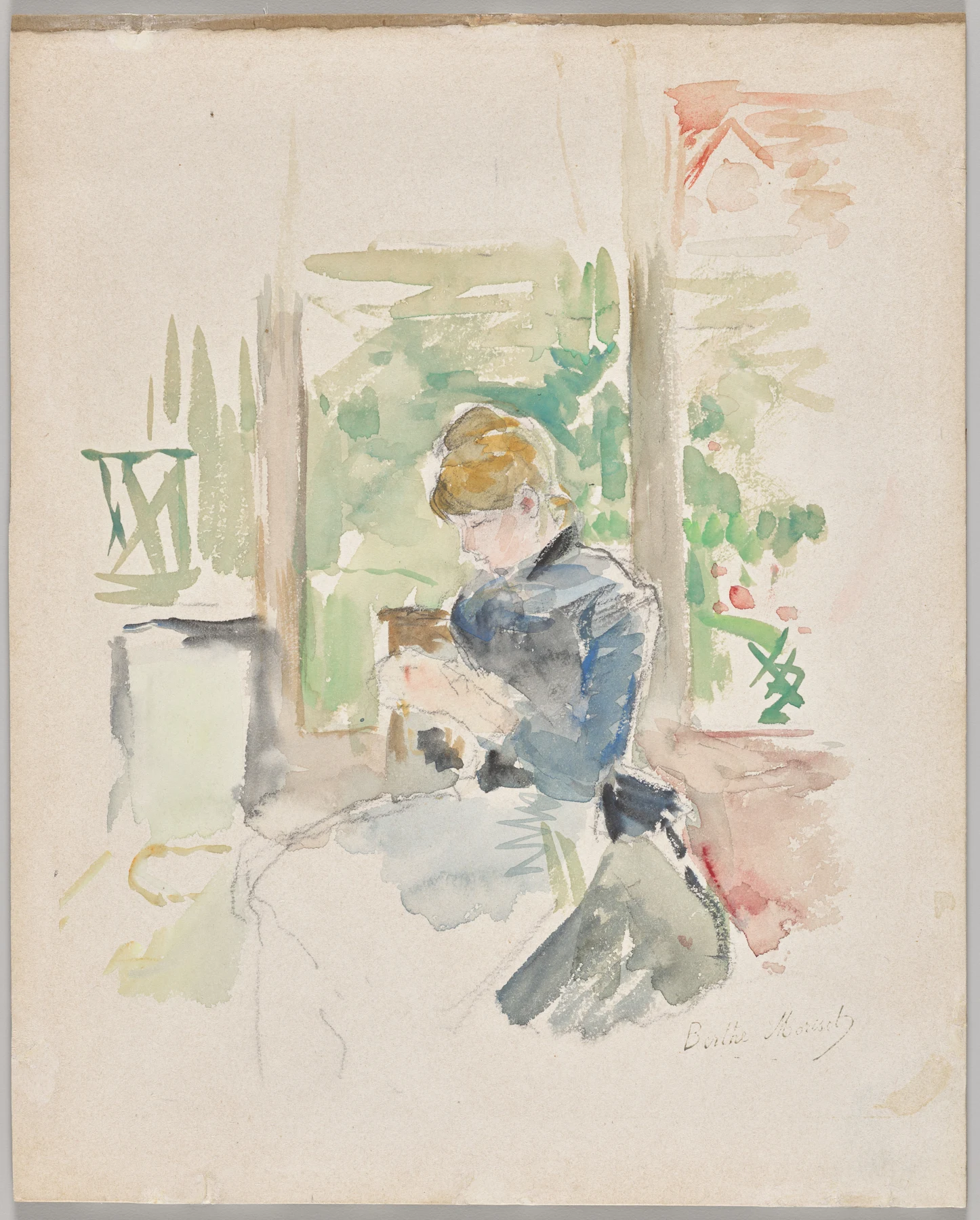
Berthe Morisot · About 1885
A woman absorbed in work, a bright window and the spaces Morisot leaves alone. A small watercolour with a serious place in the history of looking.
France
Watercolour and graphite on paper
Explore this work →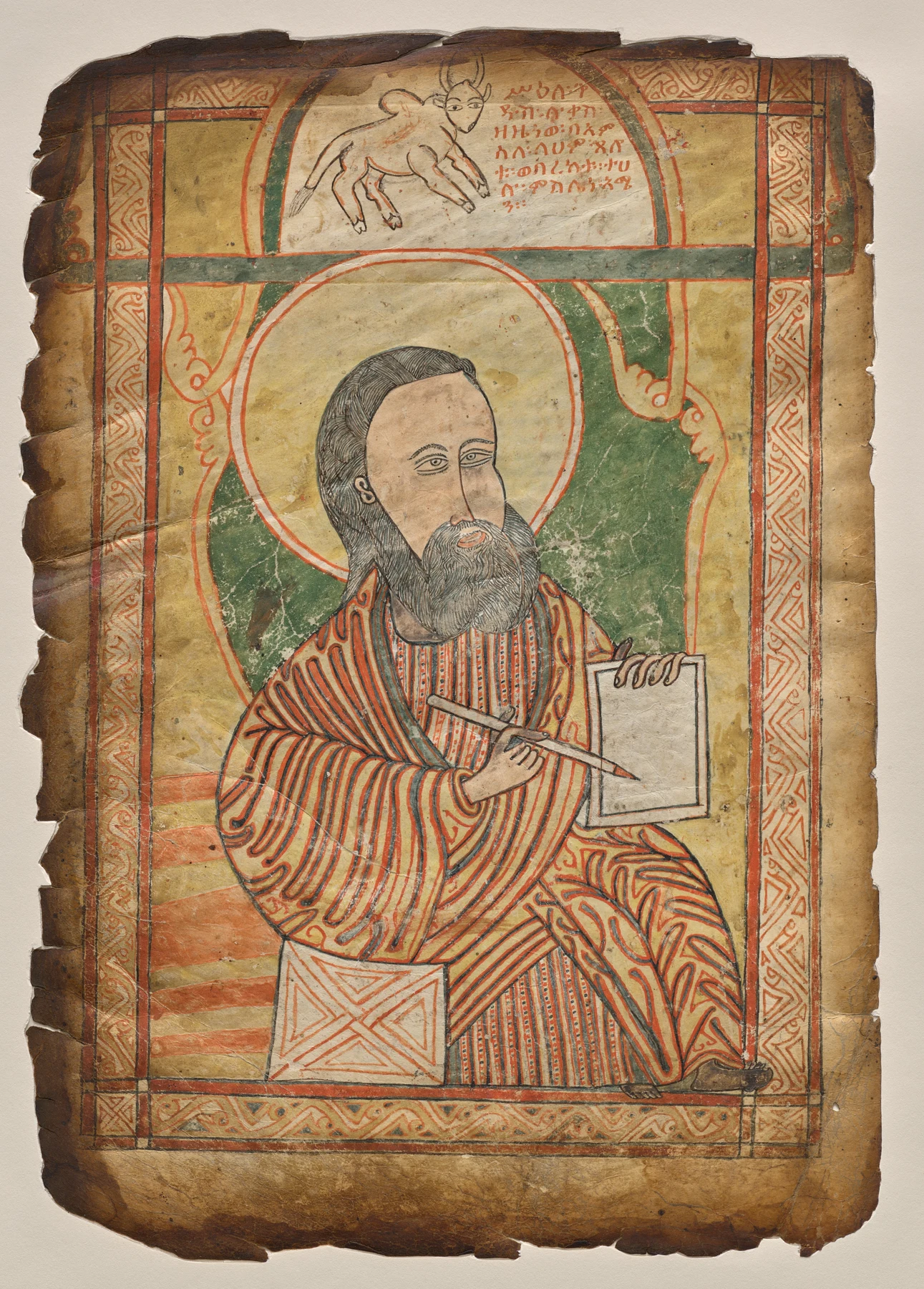
Unidentified Ethiopian artist · c. 1440–80
An Ethiopian Gospel portrait makes a seated figure vivid through patterned cloth, decisive outlines and a carefully organised page.
Tigray region, Empire of Ethiopia
Ink and tempera on vellum; manuscript illumination
Explore this work →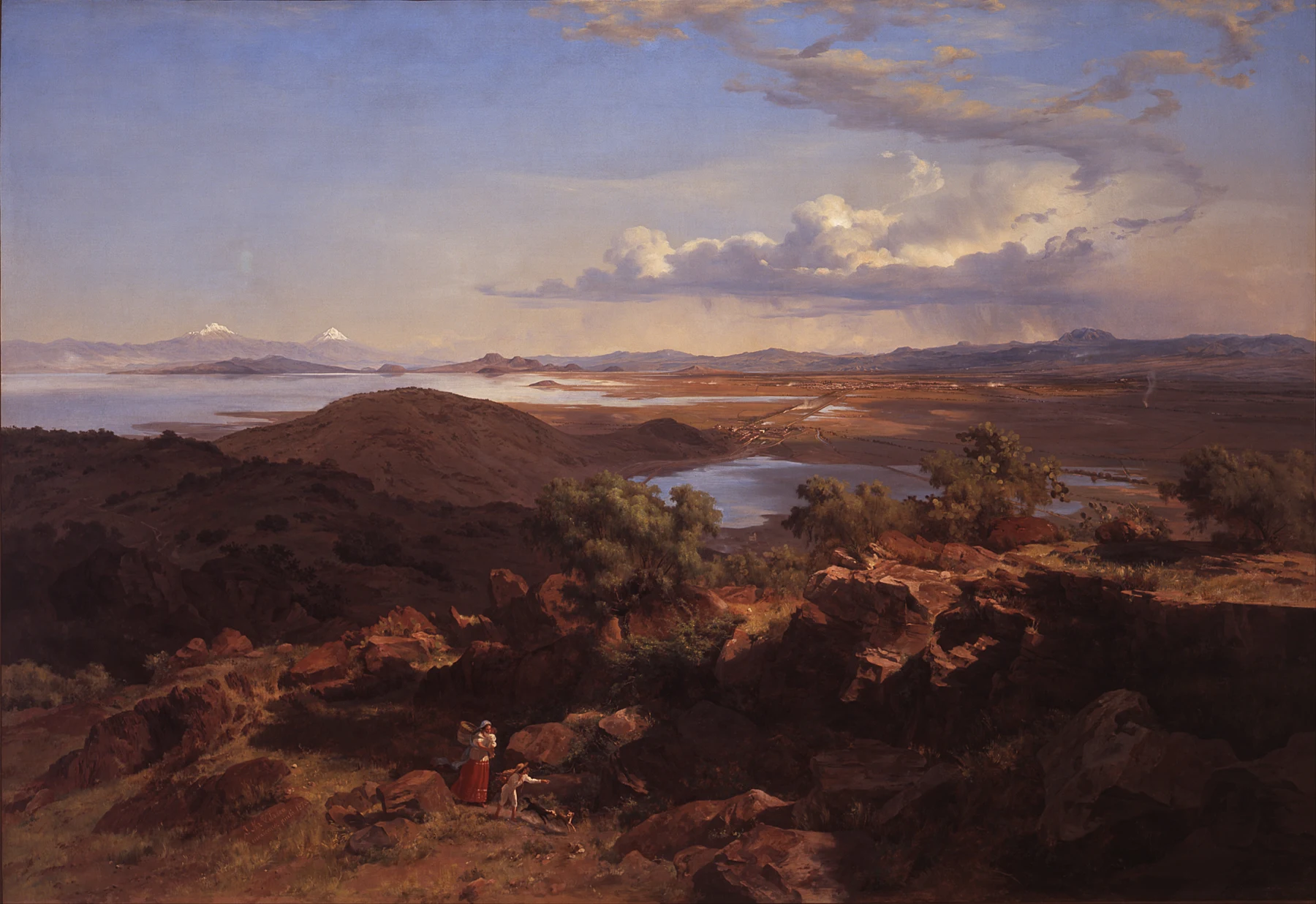
José María Velasco · 1875
An expansive Mexican landscape asks us to look beyond the pretty distance: what makes a view belong to a particular place?
Valley of Mexico, painted by a Mexican artist
Oil on canvas — a wider influence for watercolour composition
Explore this work →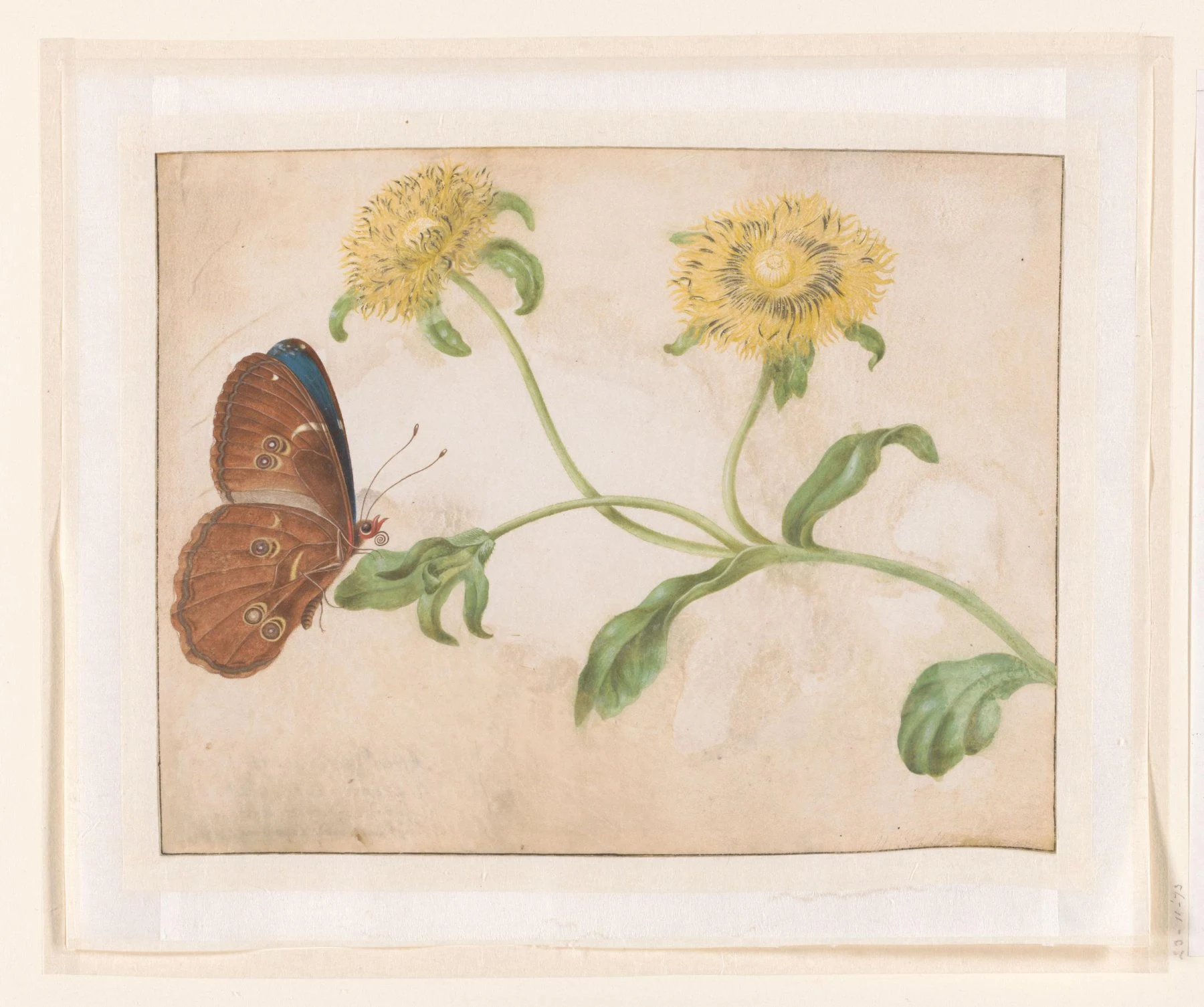
Maria Sibylla Merian (attributed to) · 1696
A delicately observed butterfly opens a discussion about watercolour, uncertain attribution and the people behind natural-history knowledge.
European study of a South American butterfly, before Merian’s journey to Suriname
Opaque and transparent watercolour over traces of graphite on vellum
Explore this work →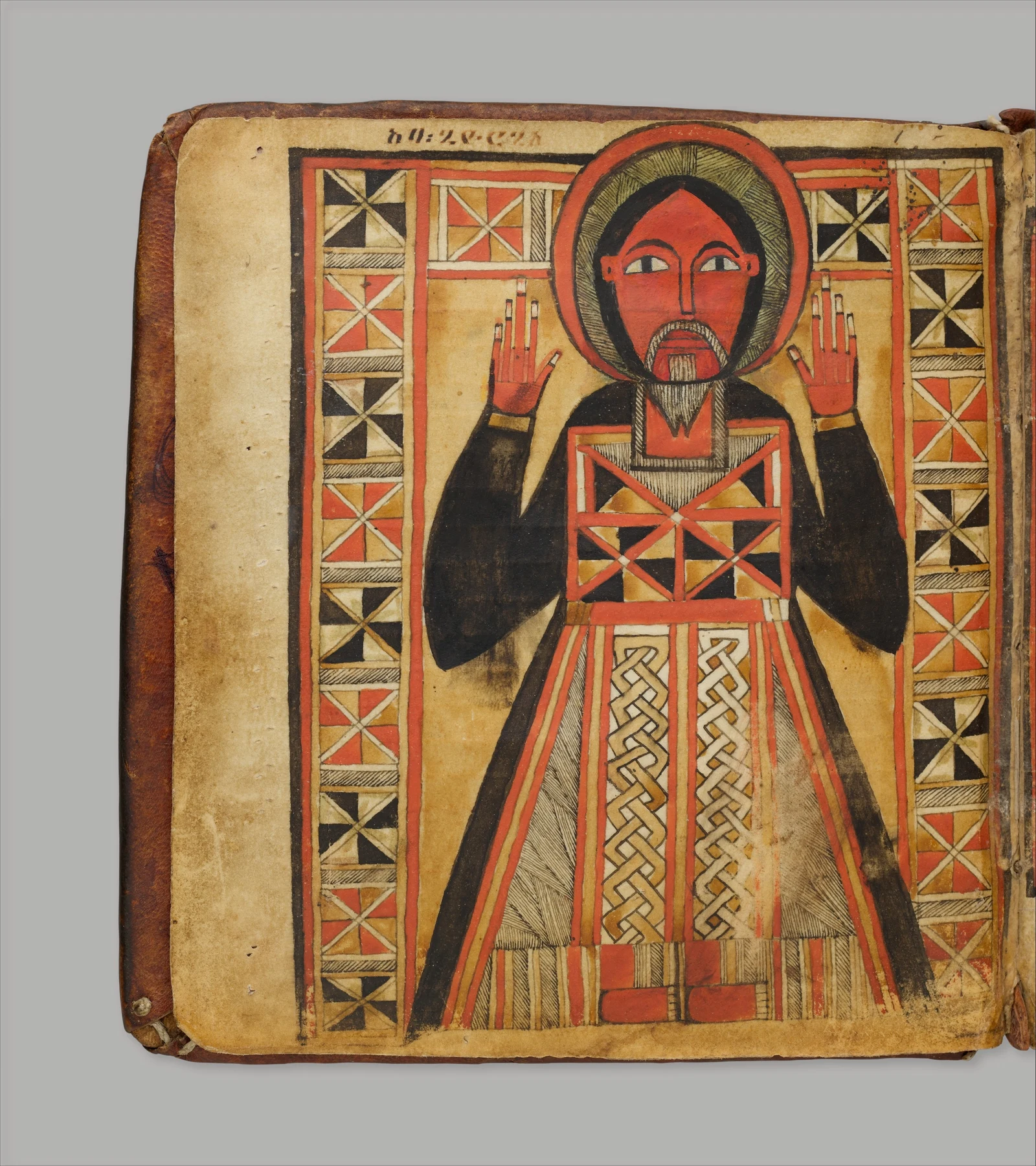
Attributed to Baselyos, also known as the Ground Hornbill Master · late 17th century
An Ethiopian illumination uses a restricted palette and repeated forms to give a small page an extraordinary presence.
Ethiopia; artist associated with the Lasta region
Pigment and ink on parchment; bound manuscript with wood, leather and fibre
Explore this work →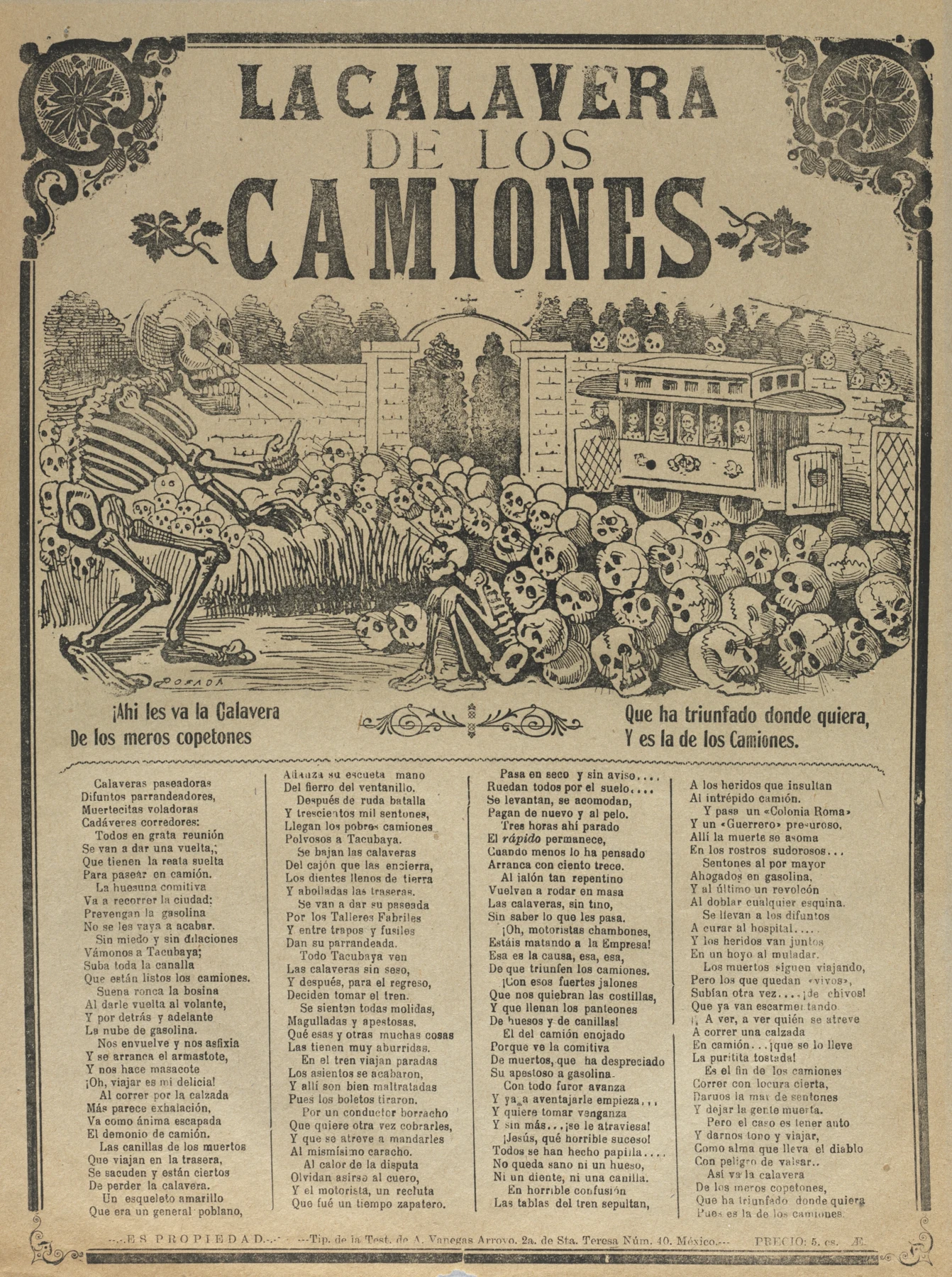
José Guadalupe Posada · c. 1900–10
Big lettering, a beckoning skeleton and a rather worrying journey: a Mexican print offers a sharp lesson in visual hierarchy.
Mexico
Relief etching and letterpress — a wider influence for ink and watercolour
Explore this work →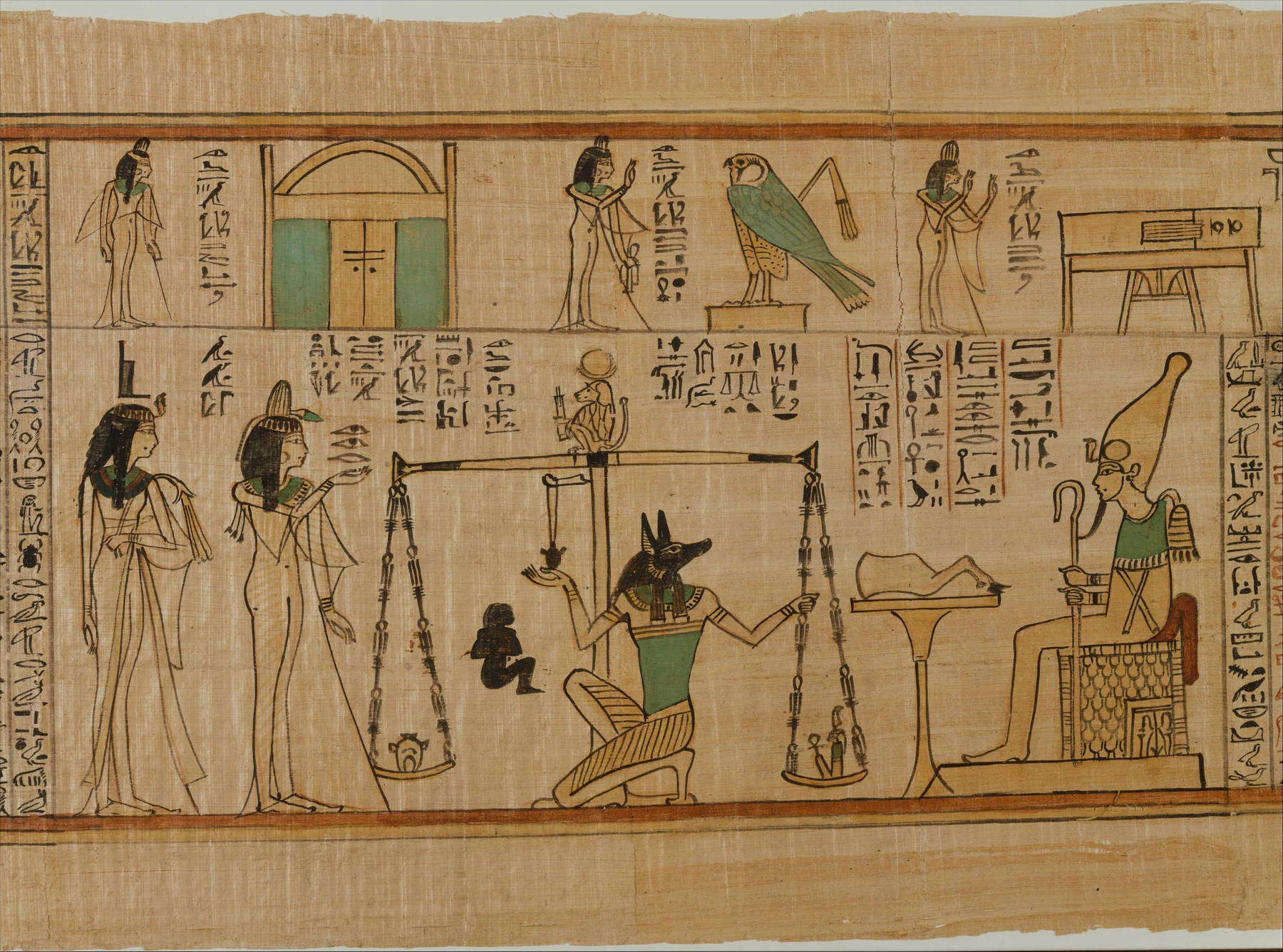
Unidentified ancient Egyptian artist or artists · ca. 1050 BCE
Two details from an Egyptian woman’s funerary scroll show how images, writing and selective colour can occupy one continuous surface.
Thebes, Upper Egypt; found in Nauny’s burial at Deir el-Bahri
Paint on papyrus; illustrated funerary manuscript
Explore this work →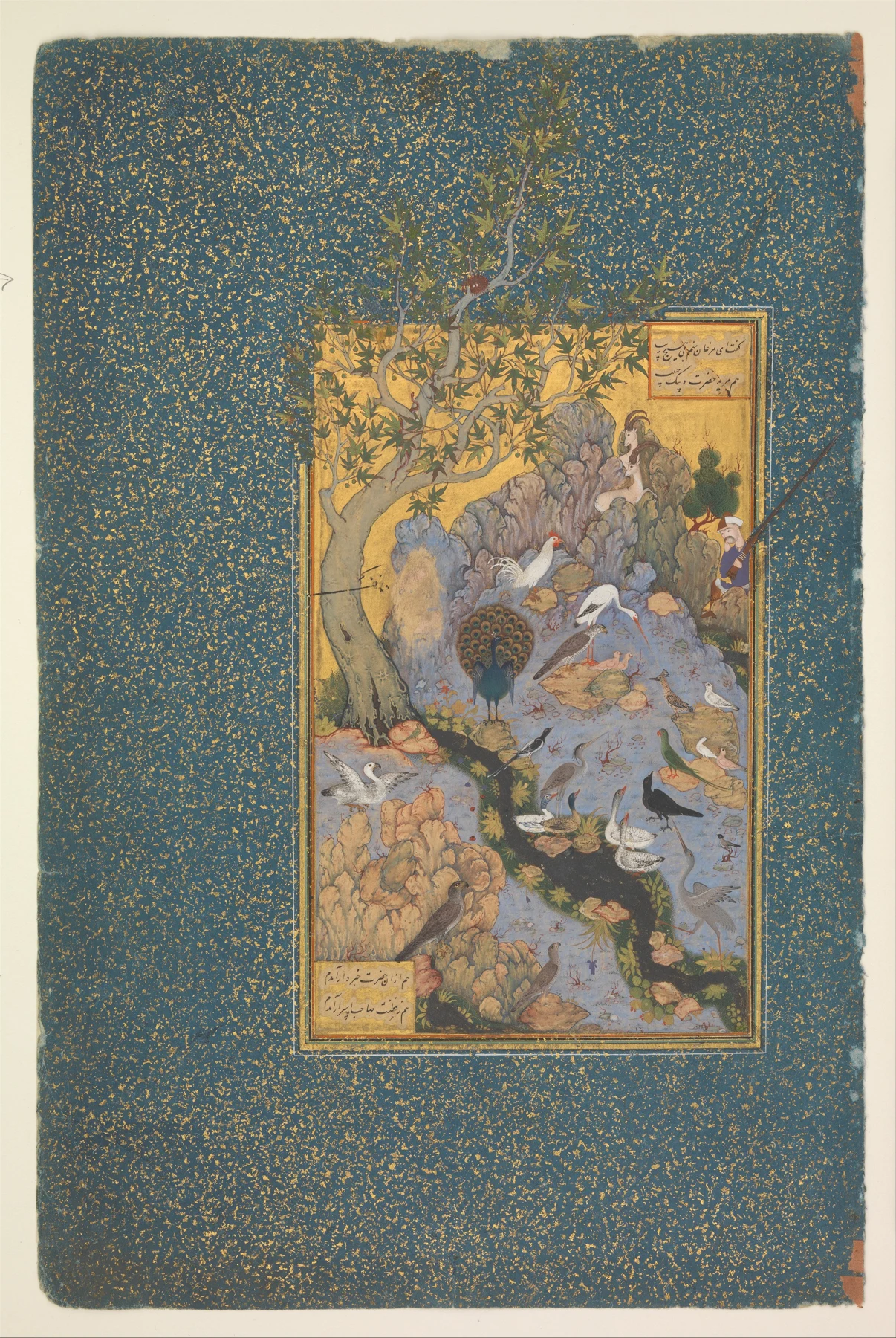
Habiballah of Sava · ca. 1600
An illustrated Persian poem becomes a lesson in arranging many small subjects without losing the larger picture.
Attributed to Isfahan, Iran
Ink, opaque watercolour, gold and silver on paper
Explore this work →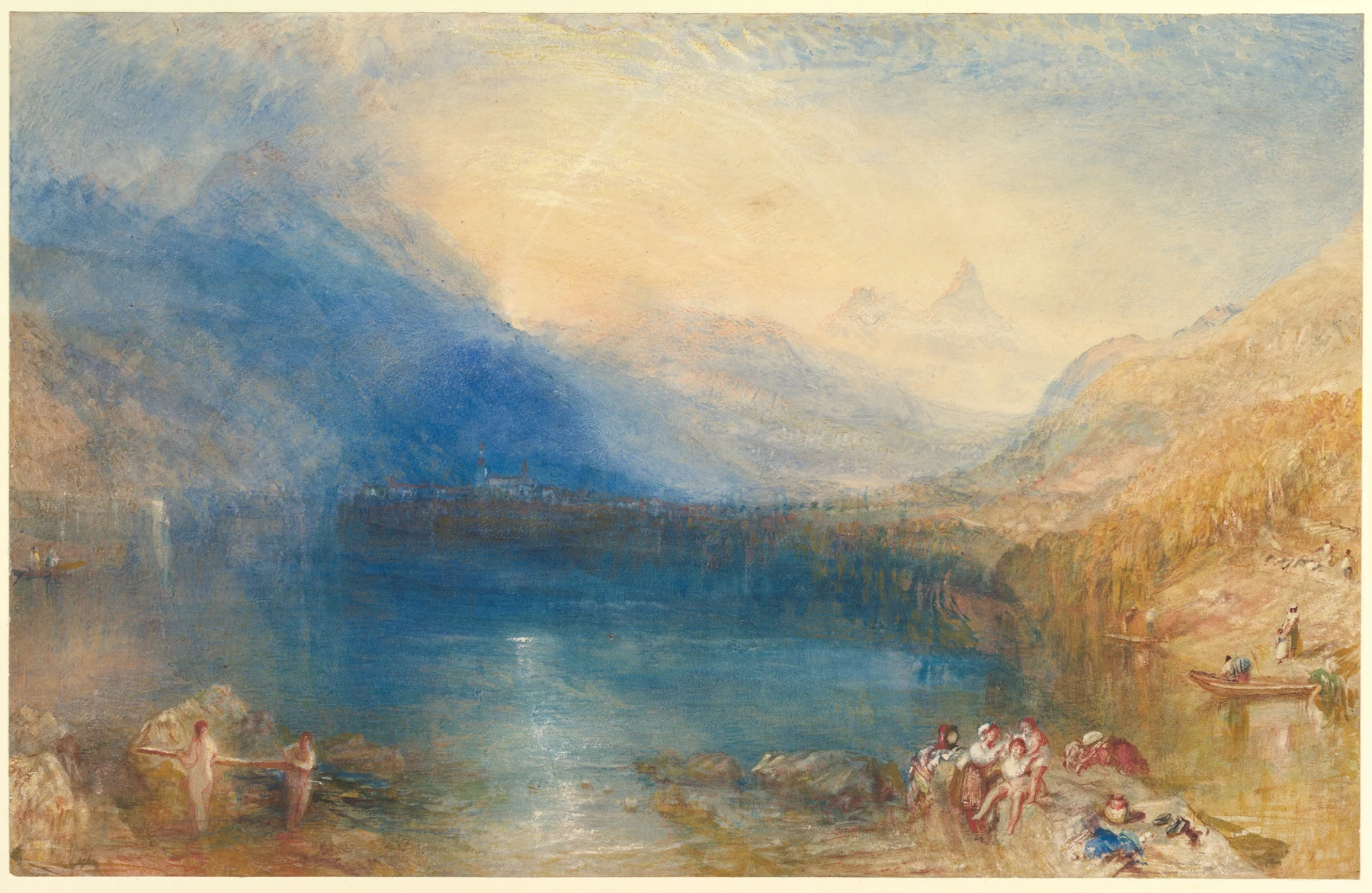
J. M. W. Turner · 1843
A Swiss lake, a British painter and a surface that does considerably more than sit there looking transparent.
Switzerland, seen by a British artist
Watercolour, bodycolour and graphite, with reductive techniques
Explore this work →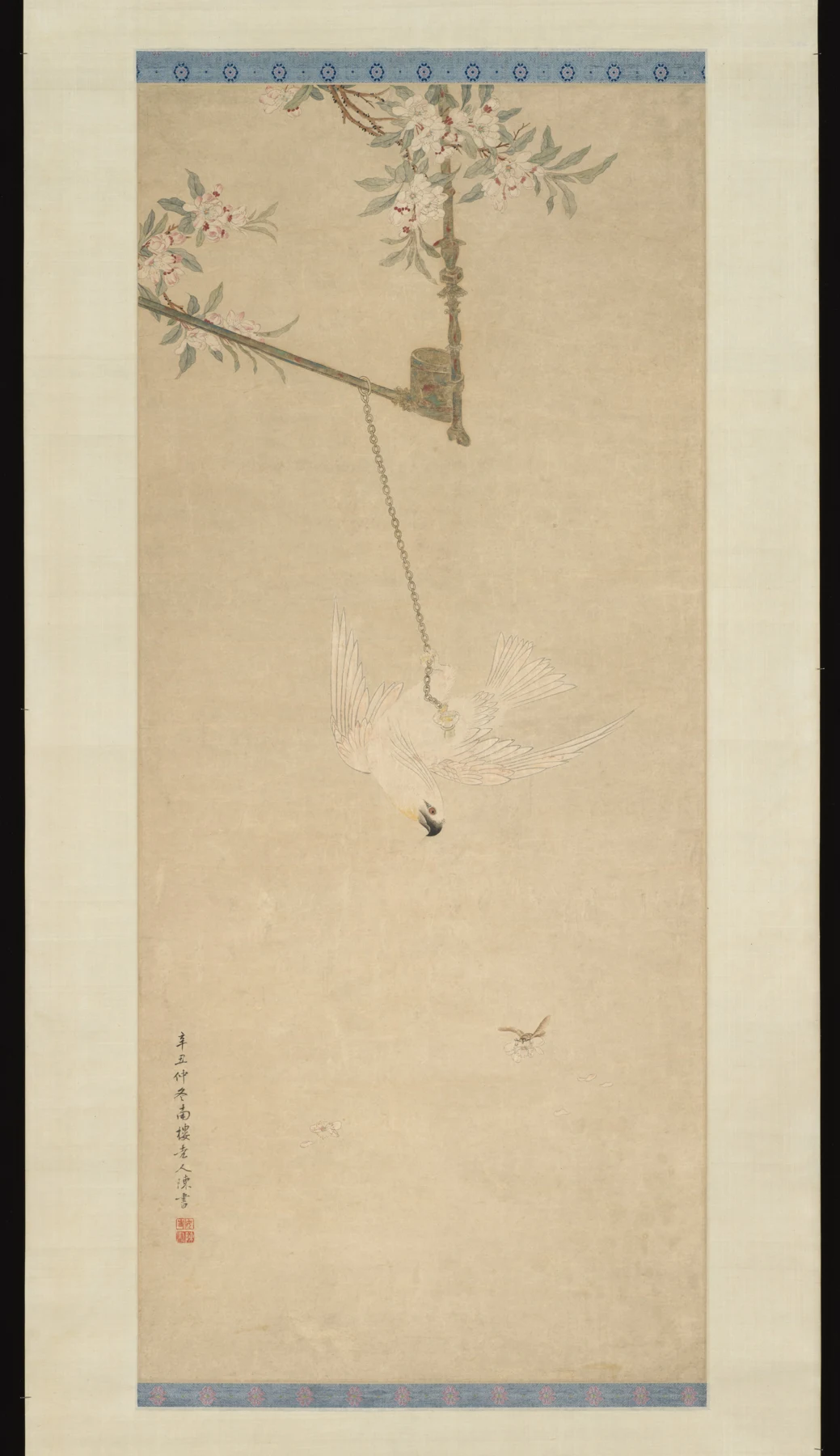
Chen Shu · dated 1721
A pale bird, a very long chain and an astonishing amount of room: a Qing painting that makes emptiness work hard.
Beijing, China
Hanging scroll; ink and colour on paper
Explore this work →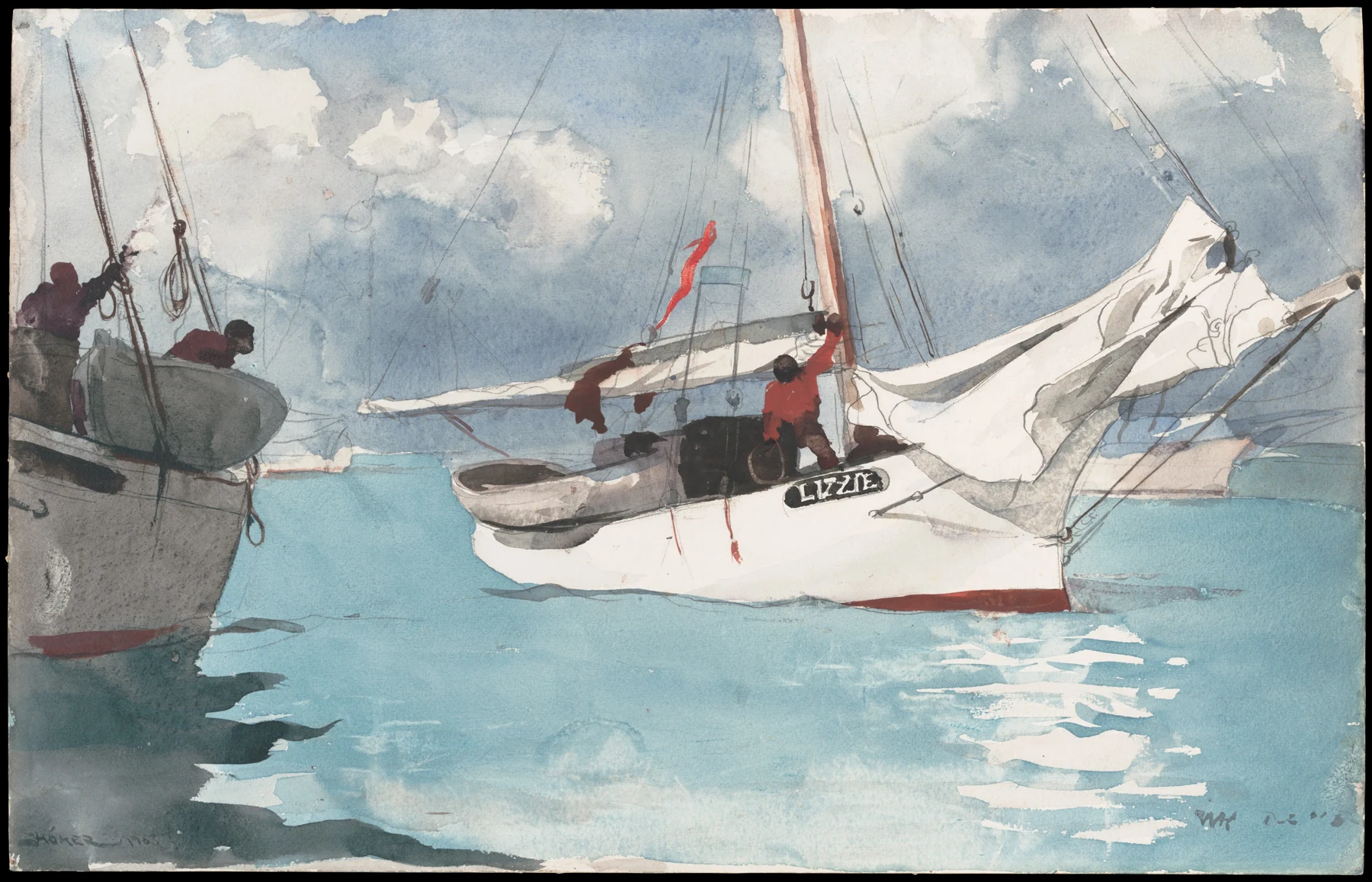
Winslow Homer · 1903
Bright paper, working boats and the histories that a sunny seascape can carry.
Key West and the Bahamian maritime world
Watercolour and graphite on off-white wove paper
Explore this work →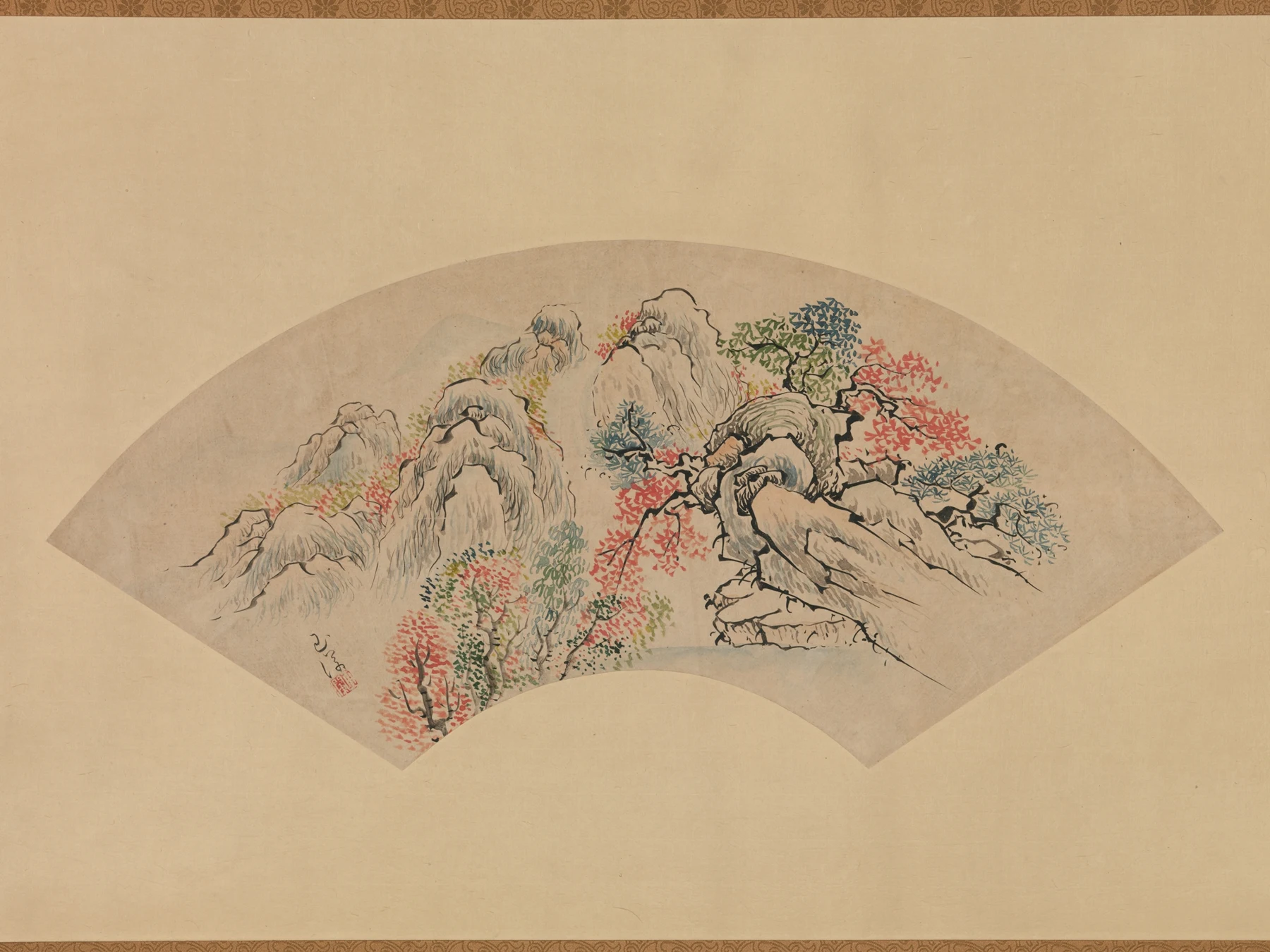
Ike (Tokuyama) Gyokuran · second half of the 18th century
A Japanese woman painter turns an awkward curved format into an invitation to move through the mountains.
Japan
Fan mounted as a hanging scroll; ink and colour on paper
Explore this work →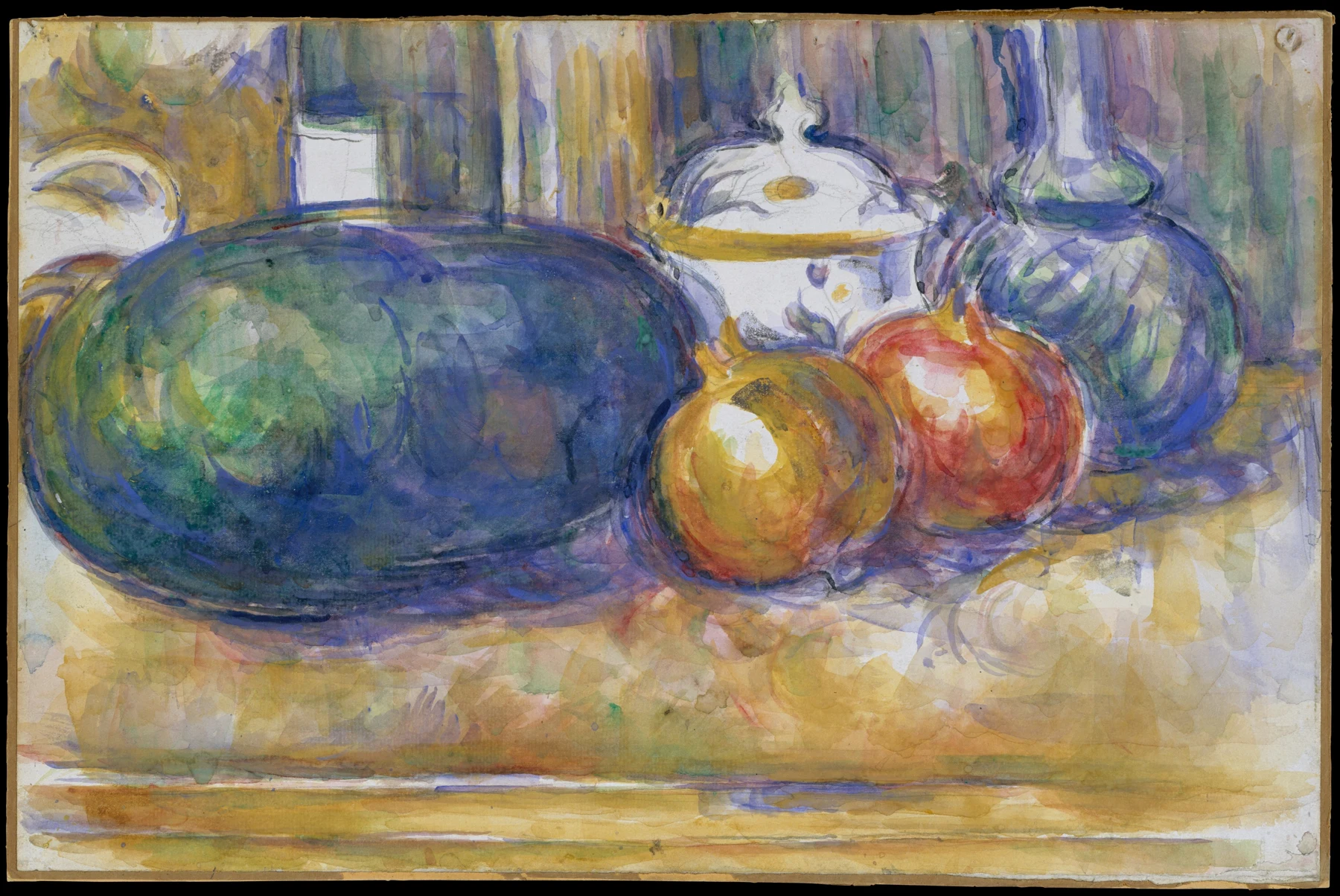
Paul Cézanne · 1900–1906
Fruit, glass and a sugar bowl: a small subject with rather large questions about seeing.
France
Watercolour over graphite on laid paper
Explore this work →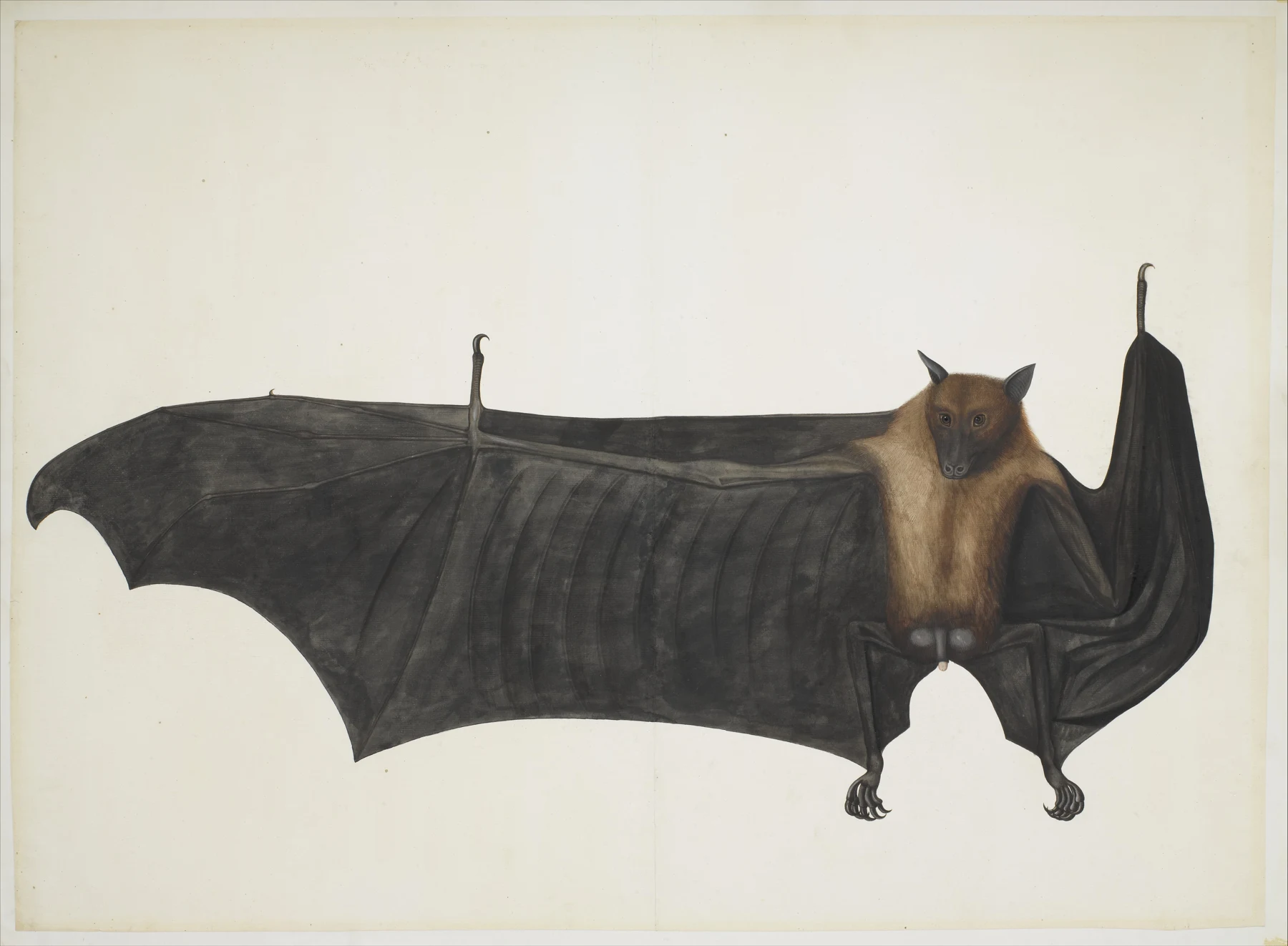
Attributed to Bhawani Das or a follower · ca. 1777–82
A dramatic natural-history painting turns a broad dark shape into an intricate study of structure and texture.
Calcutta (Kolkata), India
Pencil, ink and opaque watercolour on paper
Explore this work →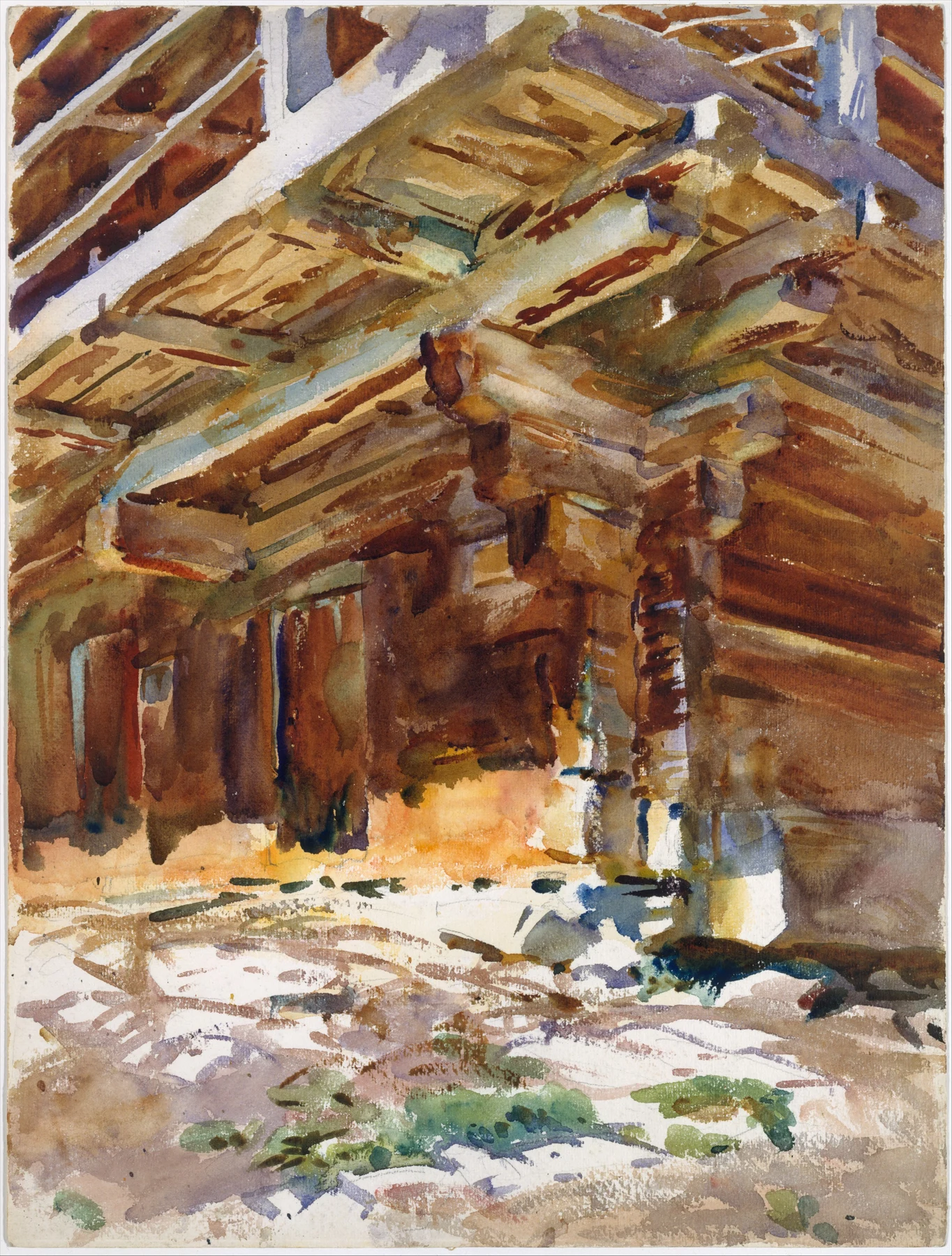
John Singer Sargent · About 1912
A close encounter with timber, stone and the useful refusal to give us the whole view.
The French Alps, painted by an American artist
Watercolour and graphite on white wove paper
Explore this work →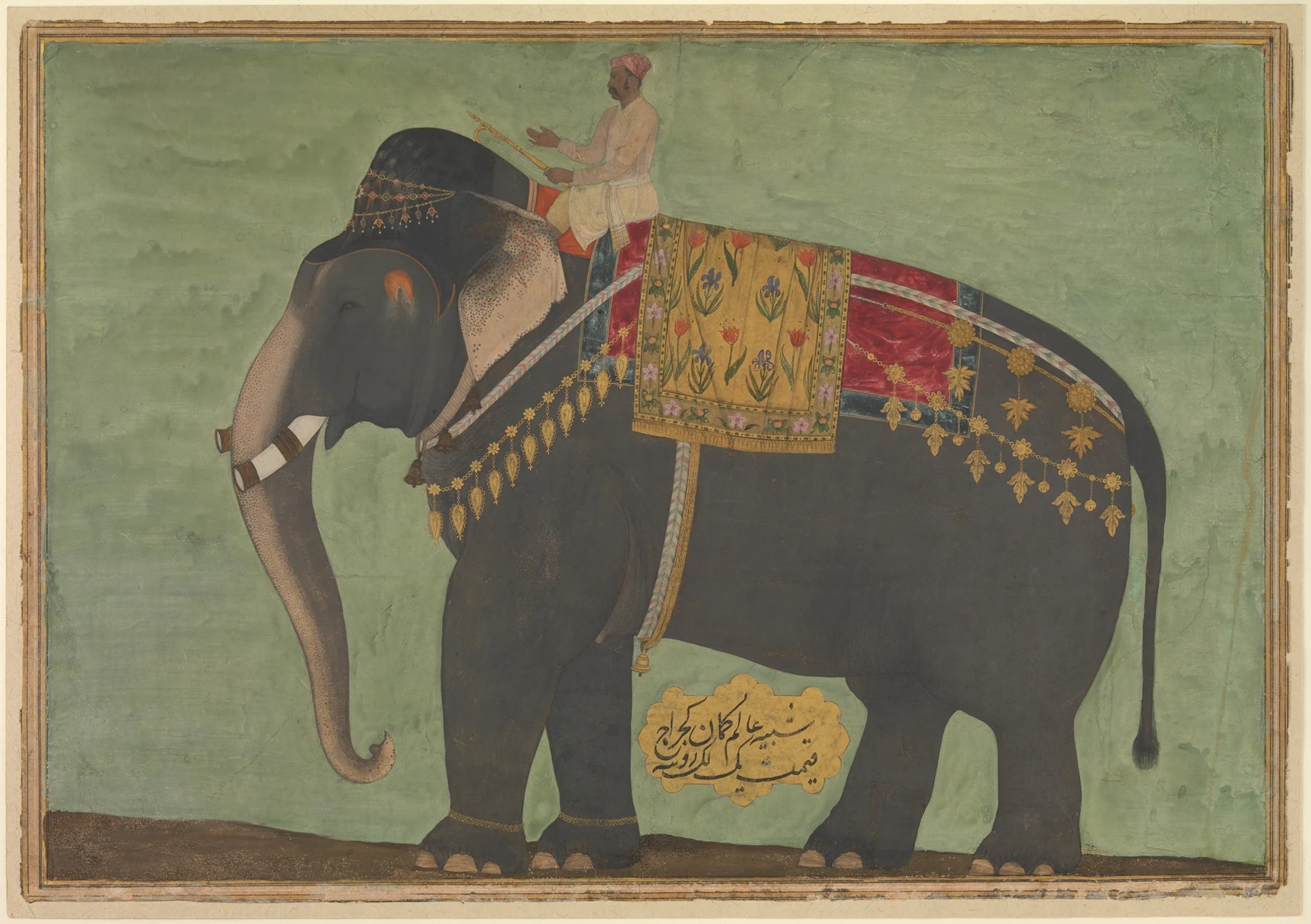
Attributed to Bichitr · ca. 1640
An individual elephant, lavishly adorned, shows how a broad dark mass can carry both presence and delicate description.
India, Mughal court context
Opaque watercolour and gold on paper
Explore this work →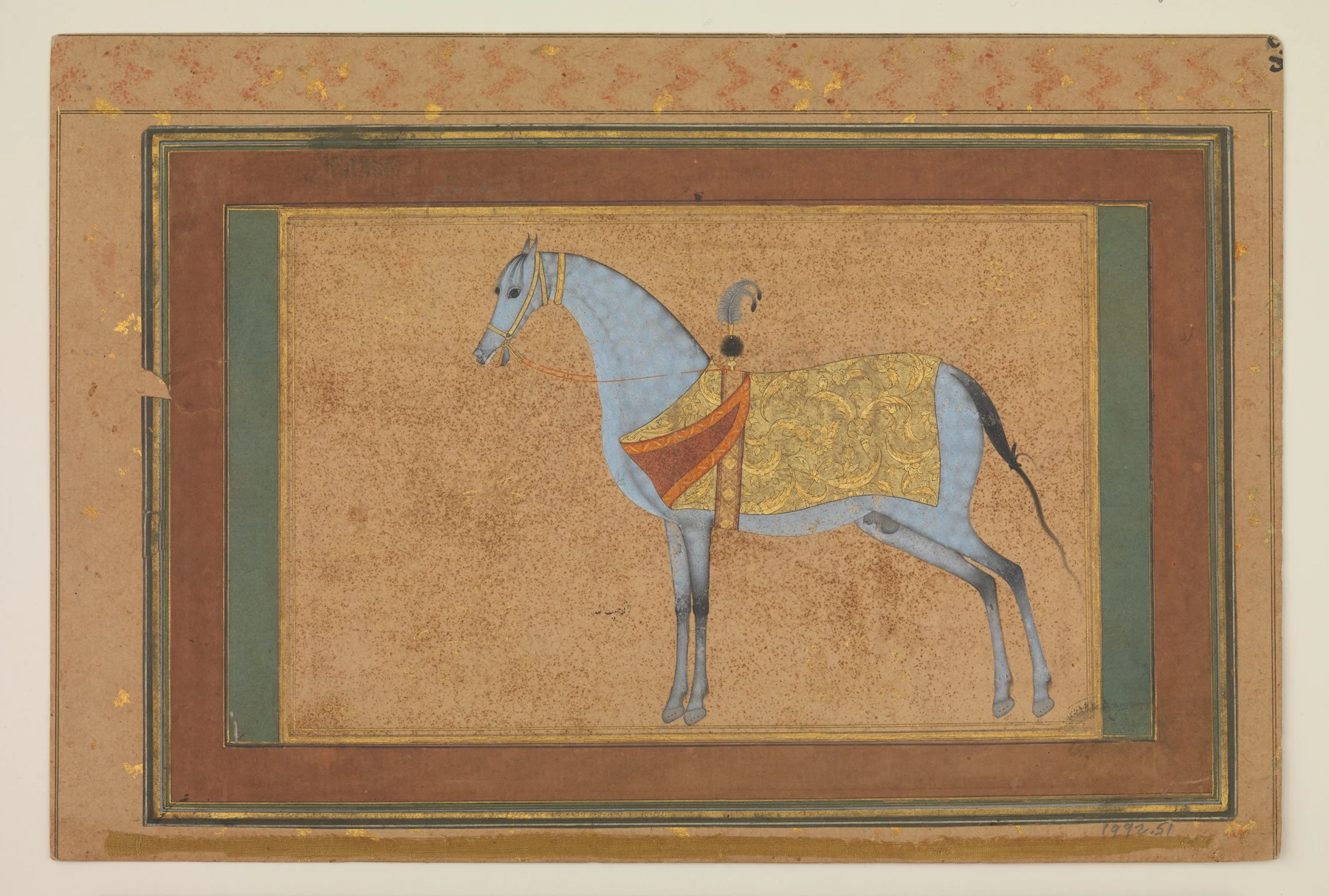
Habiballah of Sava · ca. 1601–6
A richly dressed horse invites two speeds of looking: the sweeping outer shape, then the astonishing detail inside it.
Attributed to Herat, present-day Afghanistan
Ink, opaque watercolour and gold on paper
Explore this work →No paintings match that combination. Try another word, or show everything.