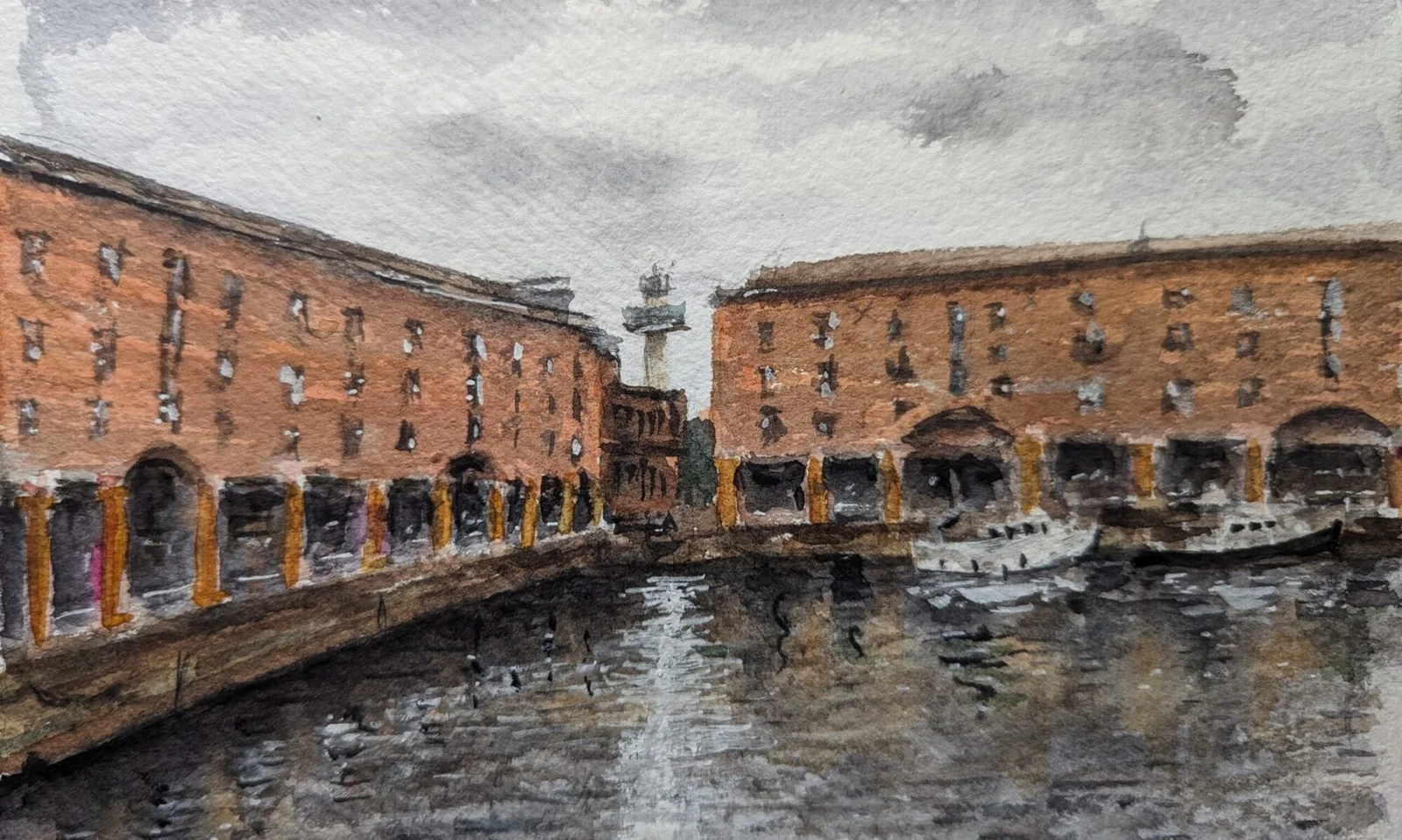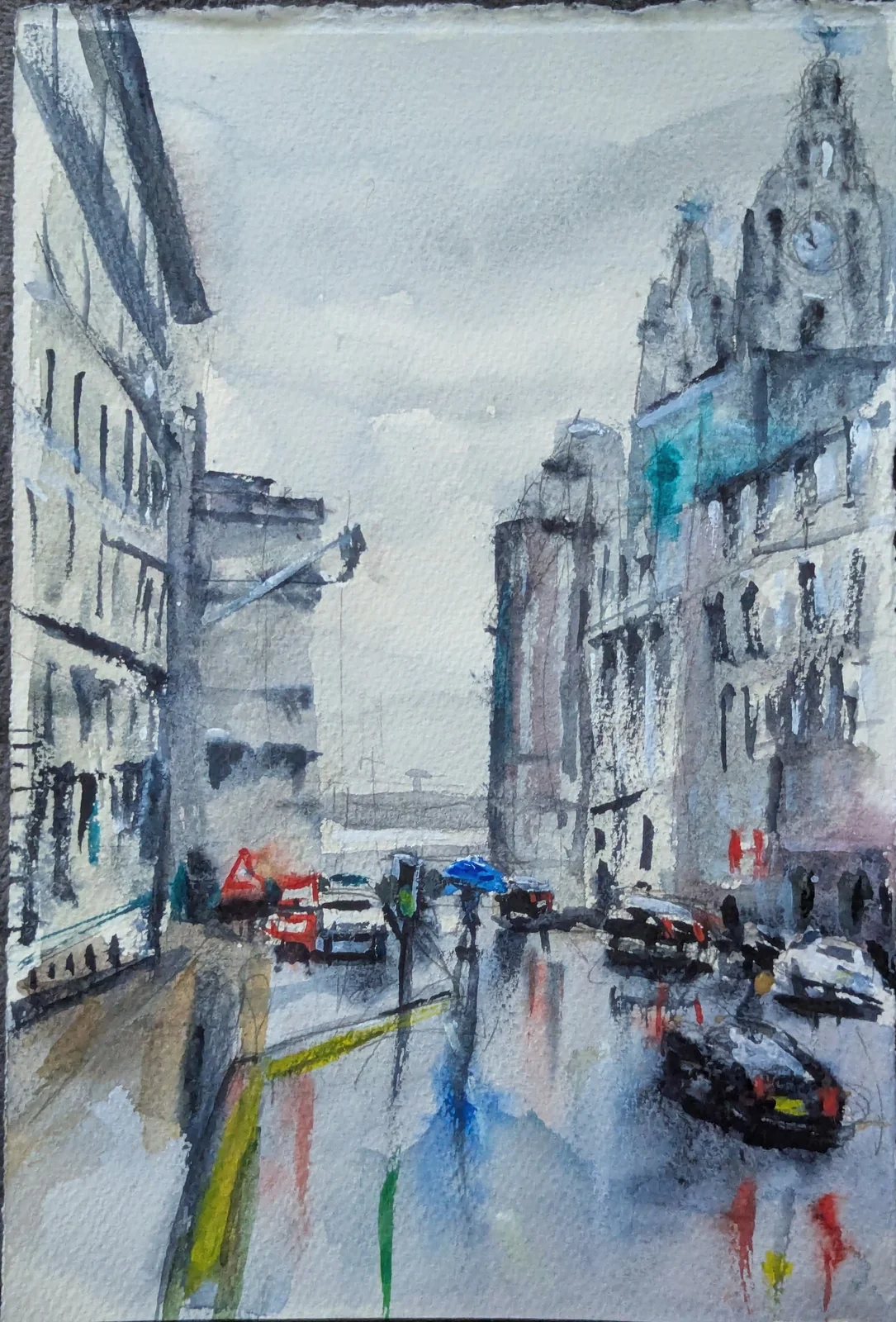
Rain on Water Street, Liverpool · Mark C Grant
Brushes: five in the bag, plenty on the paper
Capacity, spring, a useful point and the pleasure of a brush that does what your hand expected. A practical guide, starting with Mark’s travel kit.
The gallery edition · Look further
Good paintings, useful advice and a healthy disrespect for the idea that one more brush will sort it.
Start with Turner’s light →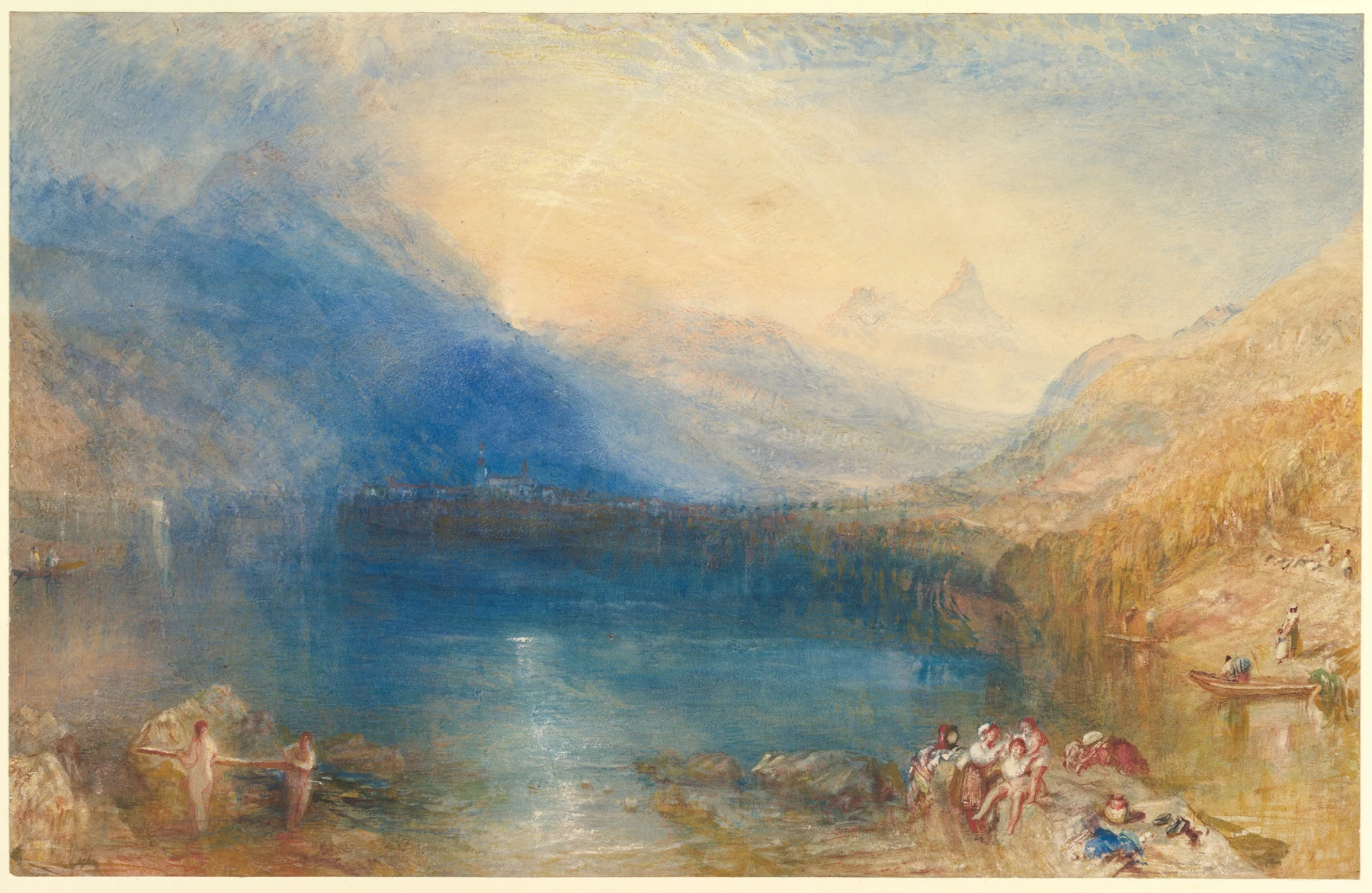
Brushes, paper, paint and the twelve colours in Mark’s box. Practical guides to making the kit work for the painting.
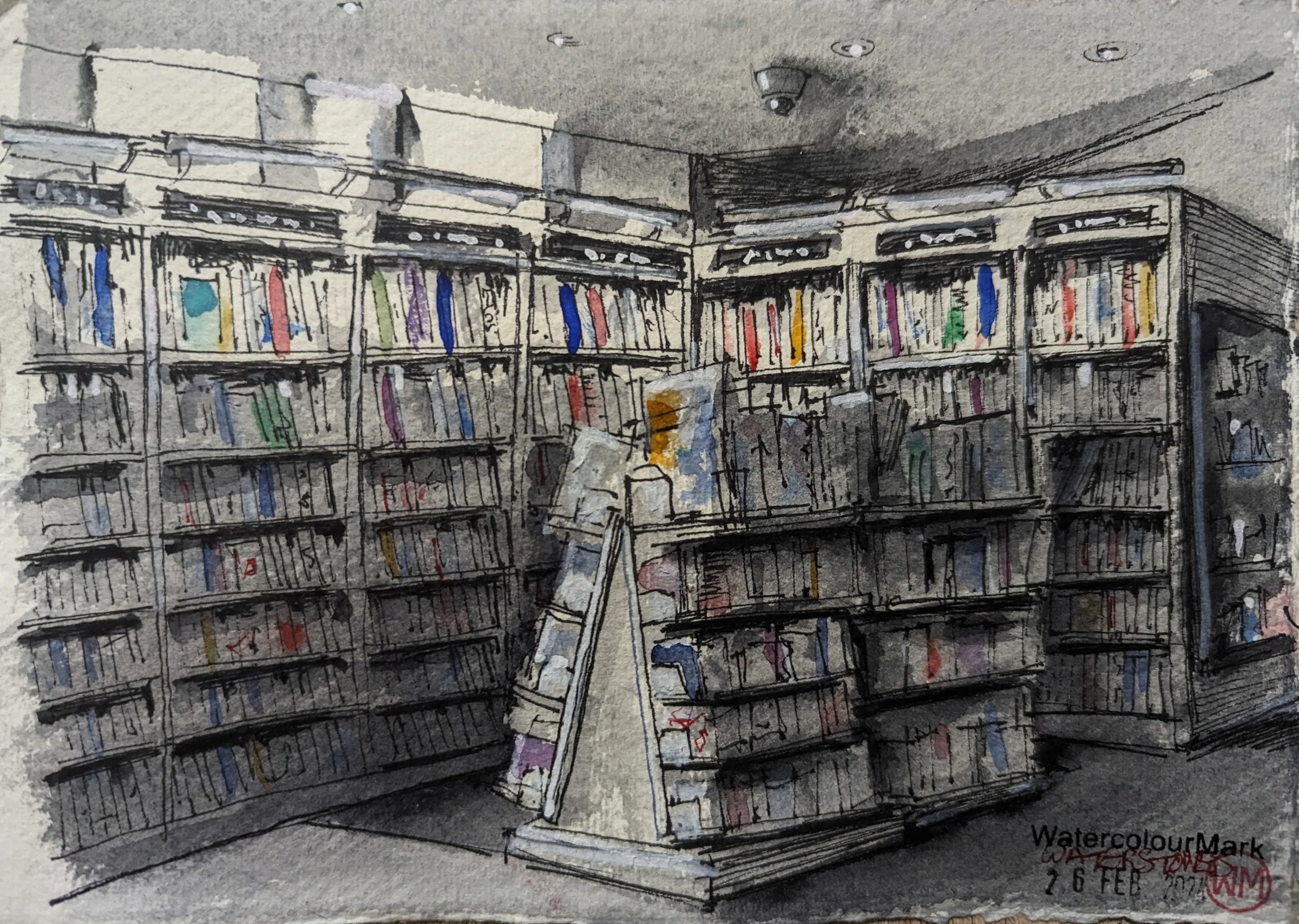
Rain on Water Street, Liverpool · Mark C Grant
Capacity, spring, a useful point and the pleasure of a brush that does what your hand expected. A practical guide, starting with Mark’s travel kit.
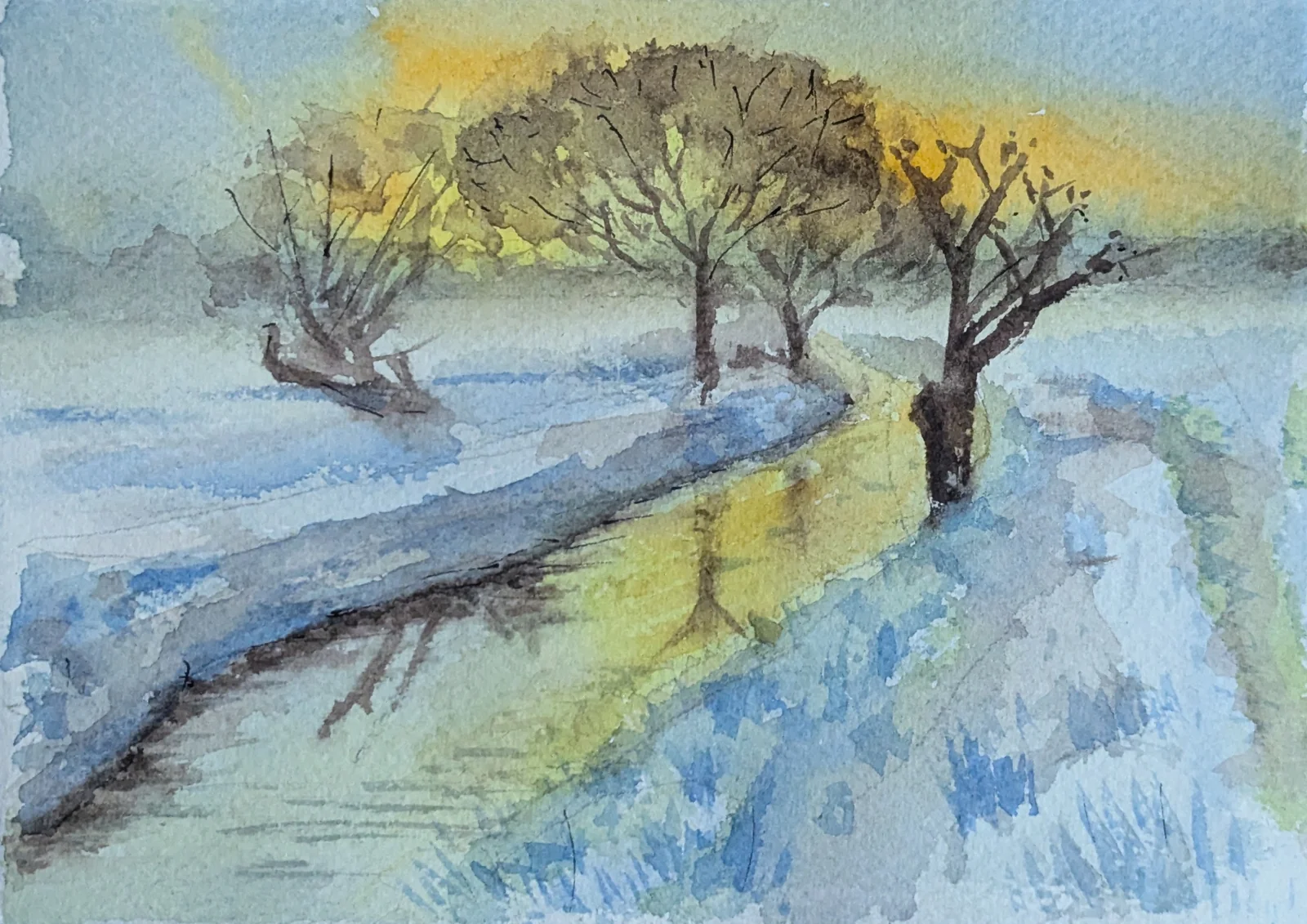
Winter Stream · Mark C Grant
Fibre, sizing, surface and weight—and why Mark’s Baohong rough 300 gsm belongs in the conversation before another tube of colour.
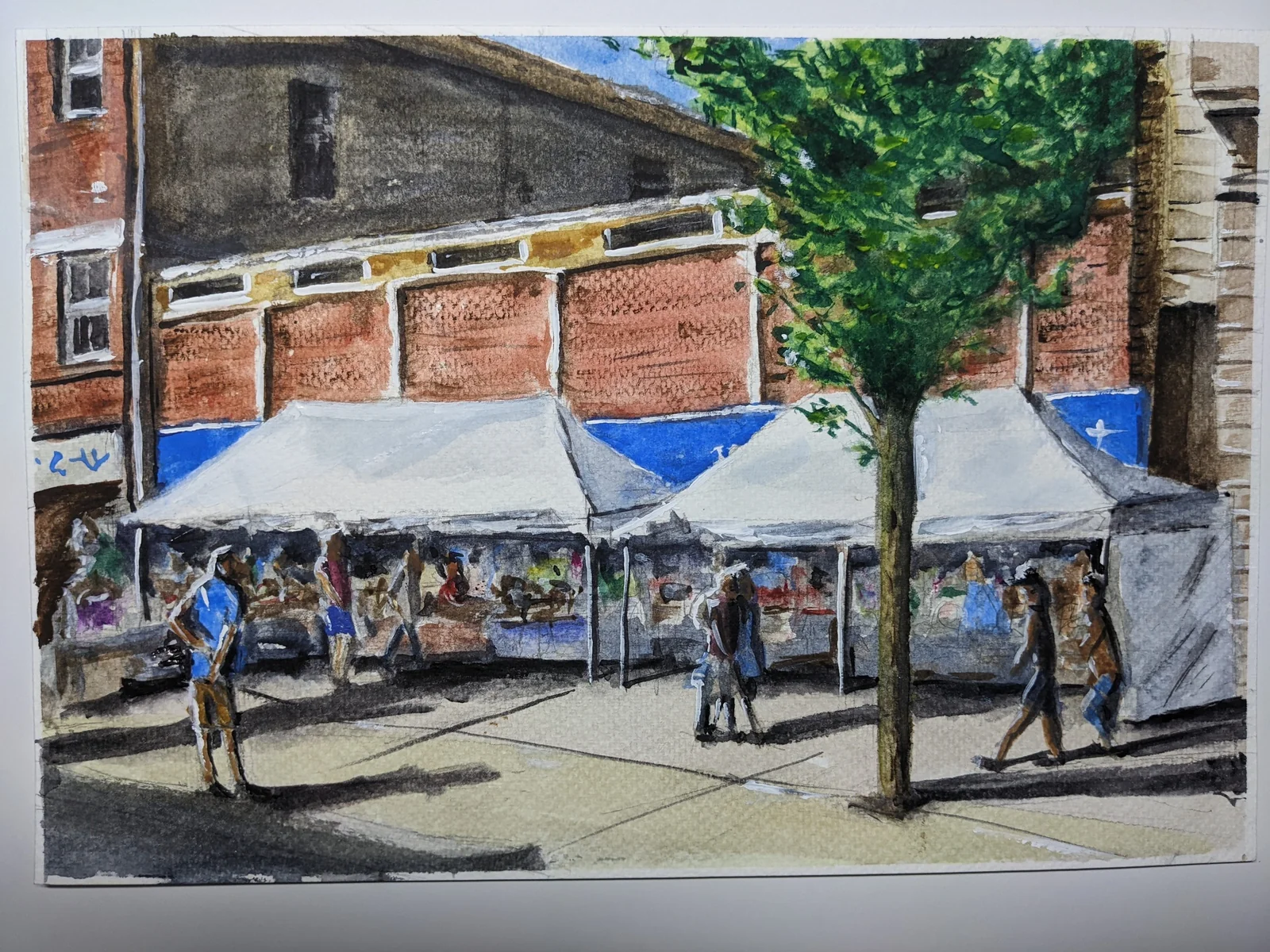
Market Stalls, Ormskirk · Mark C Grant
Pigment codes, transparency, granulation, staining and the useful difference between a colour name and the paint inside the tube.
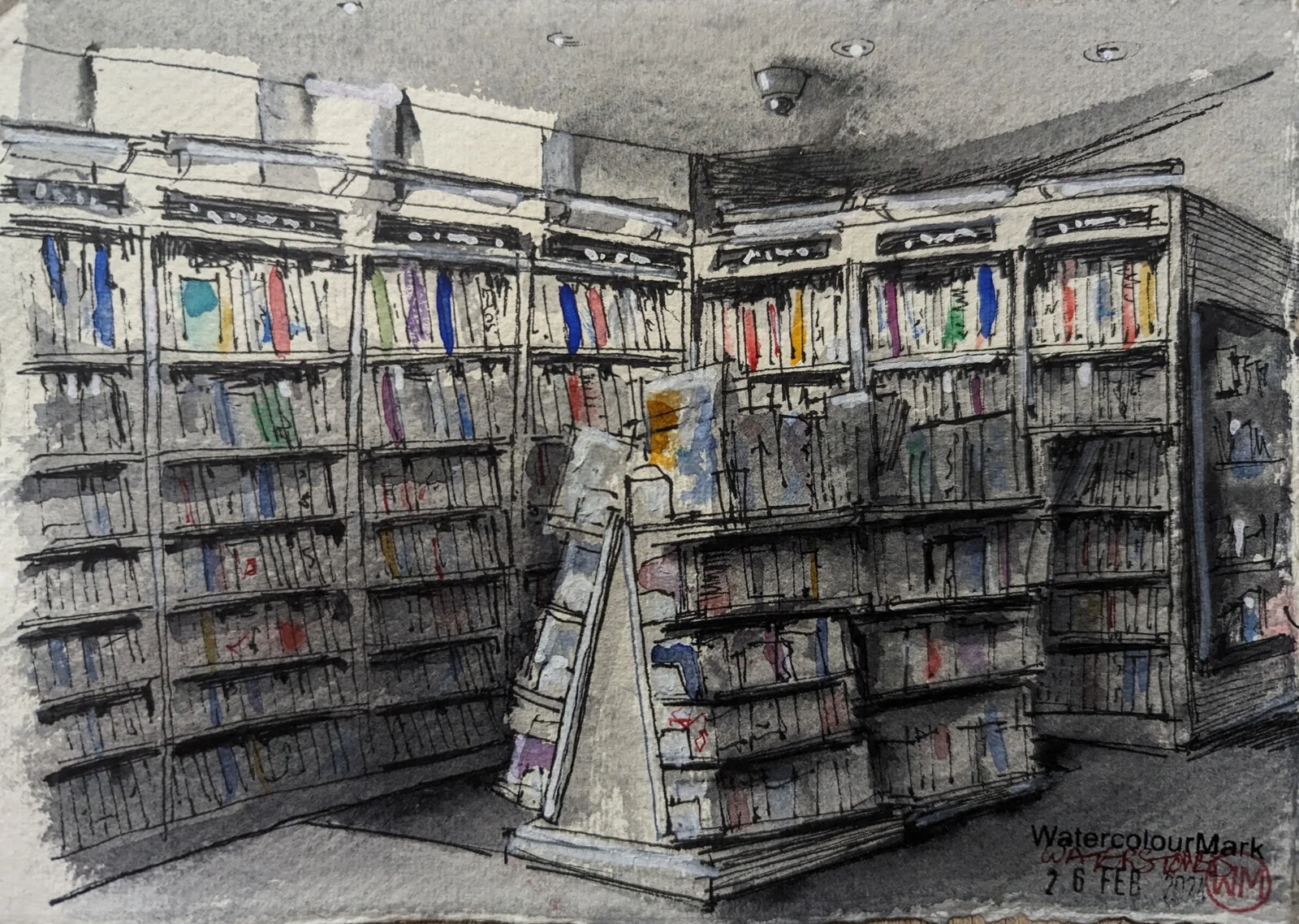
Waterstones, Liverpool · Mark C Grant
Every stage can give you something useful. The worthwhile upgrade is the one you can feel in the painting, not merely admire on the receipt.
Royal Albert Dock, Liverpool · Mark C Grant
Three rows, four colour families and three optional extras. Why this particular box makes sense for transparent colour, structure and a well-placed interruption.
Royal Albert Dock, Liverpool · Mark C Grant
A working mixing guide for Mark’s palette: sixteen starting mixtures, illustrated colour charts and practical challenges for Liverpool skies, brickwork, shadows and greens.
Paintings with a past, ideas with a future. Look closely, argue kindly, then take something back to the table.
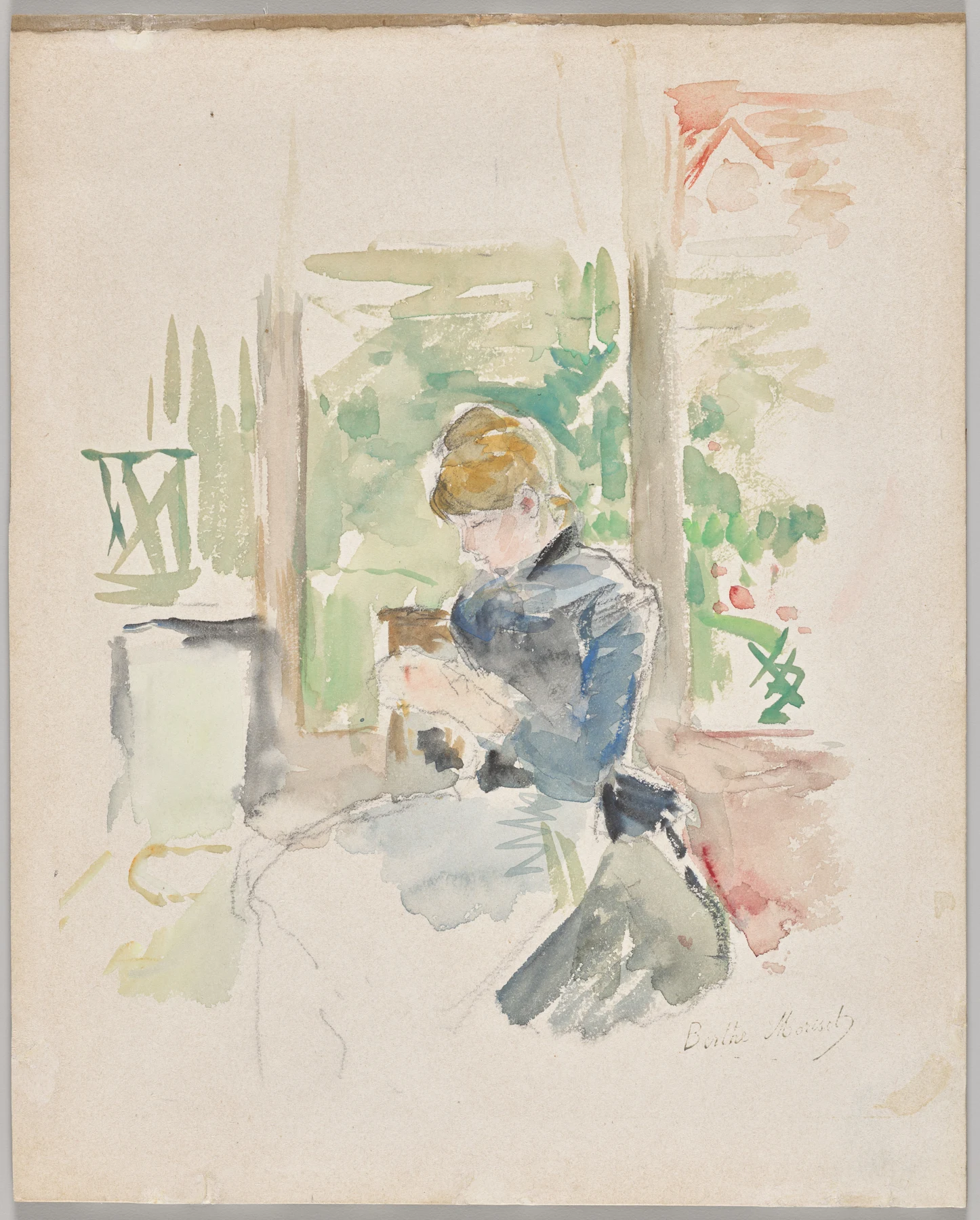
Berthe Morisot · About 1885
A woman absorbed in work, a bright window and the spaces Morisot leaves alone. A small watercolour with a serious place in the history of looking.
France
Watercolour and graphite on paper
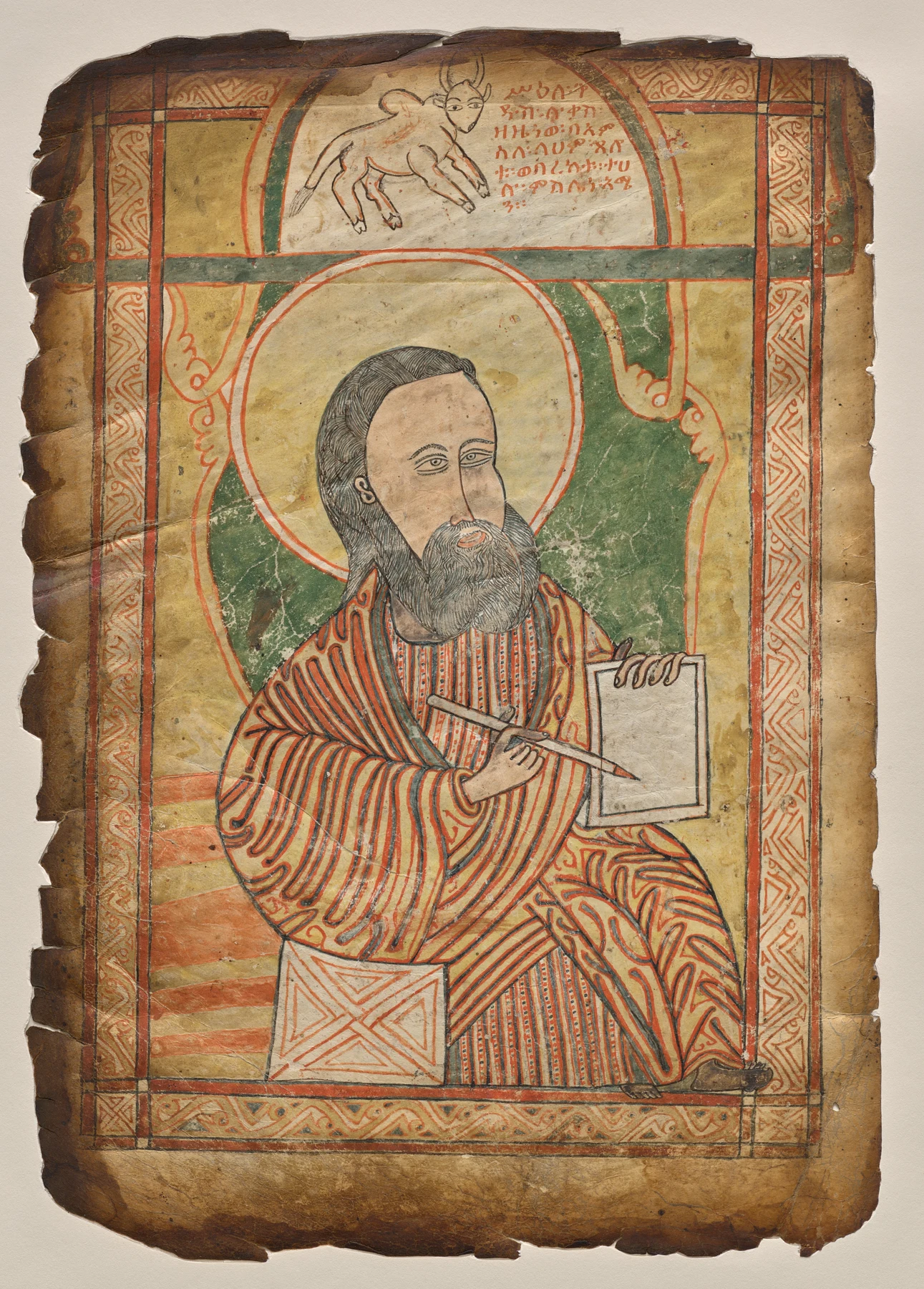
Unidentified Ethiopian artist · c. 1440–80
An Ethiopian Gospel portrait makes a seated figure vivid through patterned cloth, decisive outlines and a carefully organised page.
Tigray region, Empire of Ethiopia
Ink and tempera on vellum; manuscript illumination
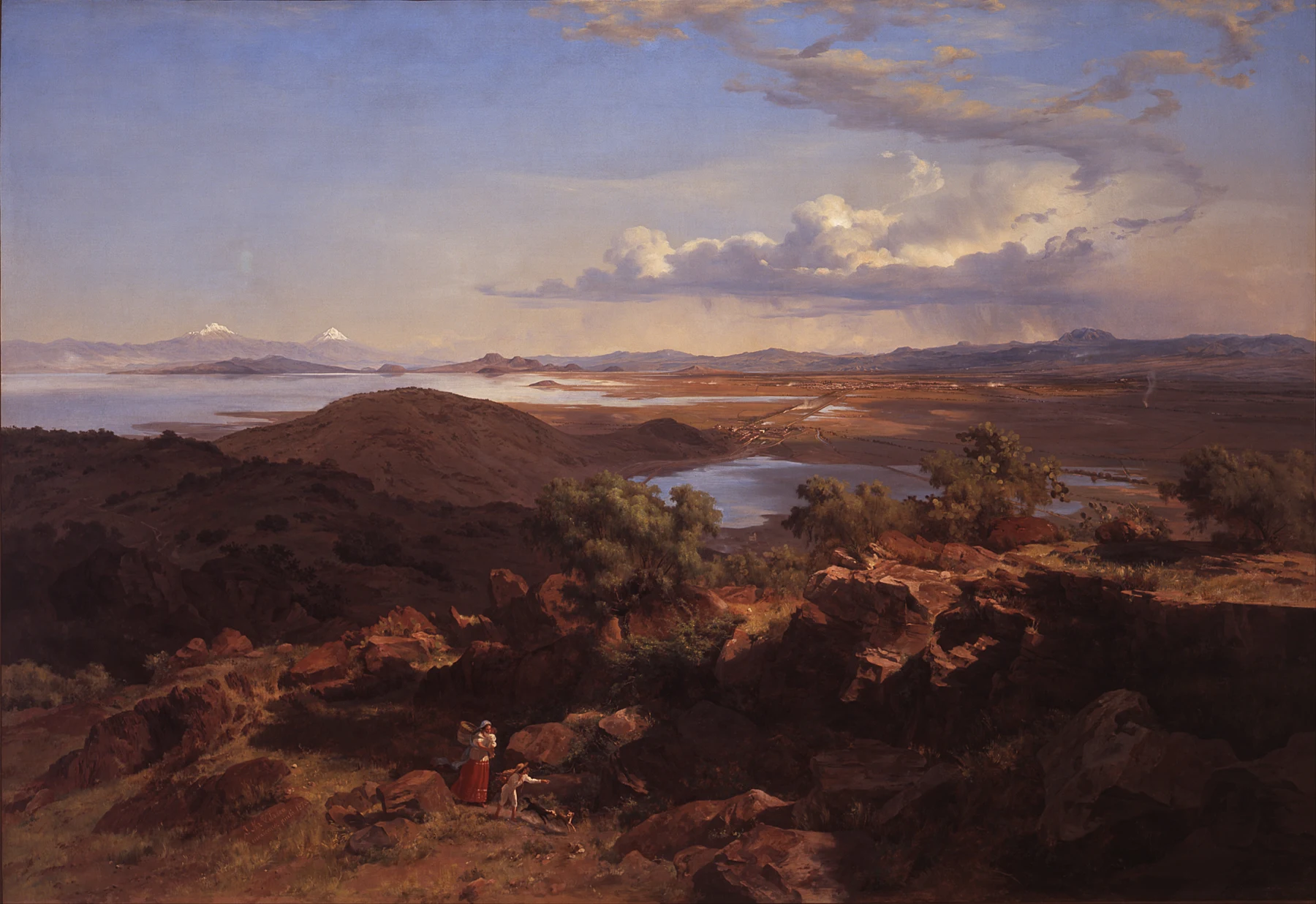
José María Velasco · 1875
An expansive Mexican landscape asks us to look beyond the pretty distance: what makes a view belong to a particular place?
Valley of Mexico, painted by a Mexican artist
Oil on canvas — a wider influence for watercolour composition
Painted books, artists’ lives, landscape and the ideas that changed how pictures work. Read the history, look closely, then try an idea on your own paper.
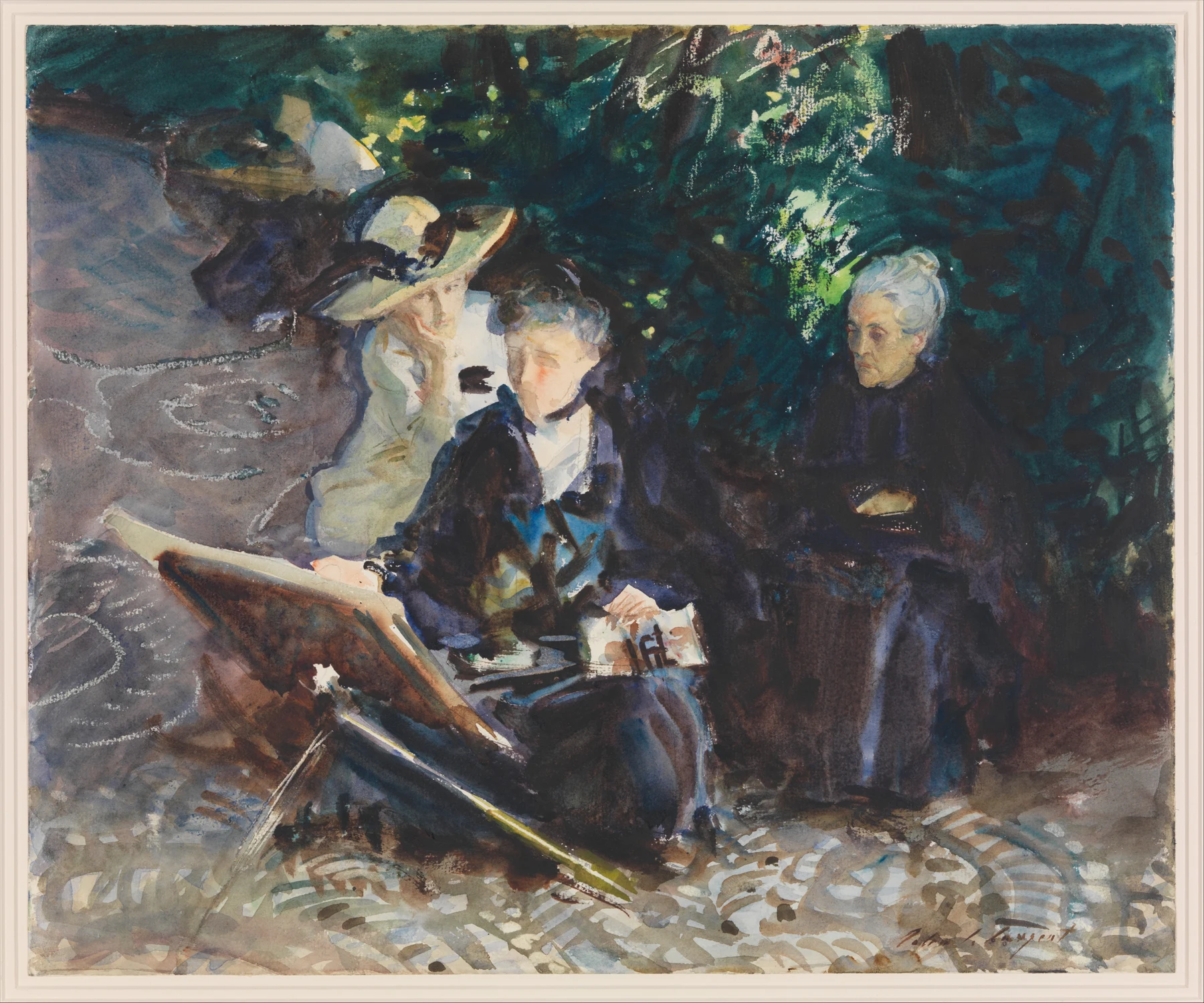
John Singer Sargent · In the Generalife, 1912
From Paris portraits to a chair in a Spanish garden: John Singer Sargent’s life, the importance of his watercolours, and what we can borrow without trying to become an Edwardian celebrity before lunch.
Unidentified Ethiopian artist; Empire of Ethiopia, Tigray region · Single Leaf from a Gospel Book with a Portrait of Saint Luke, c. 1440–80
Two Ethiopian manuscripts, separated by more than two centuries, show why a painted page needs its book, its language and its devotional life.
Berthe Morisot · Sewing near the Window, about 1885
Private tuition, exhibition groups, poetry and family networks: two distinct careers help us look beyond the myth of talent succeeding entirely alone.
Winter Stream · Mark C Grant
Negative painting: a useful skill with an unnecessarily gloomy name.
Treeline at Dusk · Mark C Grant
Cloud studies that remember the weather, rather than producing another row of decorative cauliflowers.
Royal Albert Dock, Liverpool · Mark C Grant
Paint the relationships in the water before reaching for forty-seven horizontal lines.
Joseph Mallord William Turner · The Lake of Zug, 1843
A lake, a little haze and a very useful reminder that the sky needn't explain itself. What Turner's atmosphere can teach your next small study.
Rain on Water Street, Liverpool · Mark C Grant
Before another window, decide what the whole scene is doing. A practical way into atmosphere, tonal structure and a calmer relationship with street furniture.
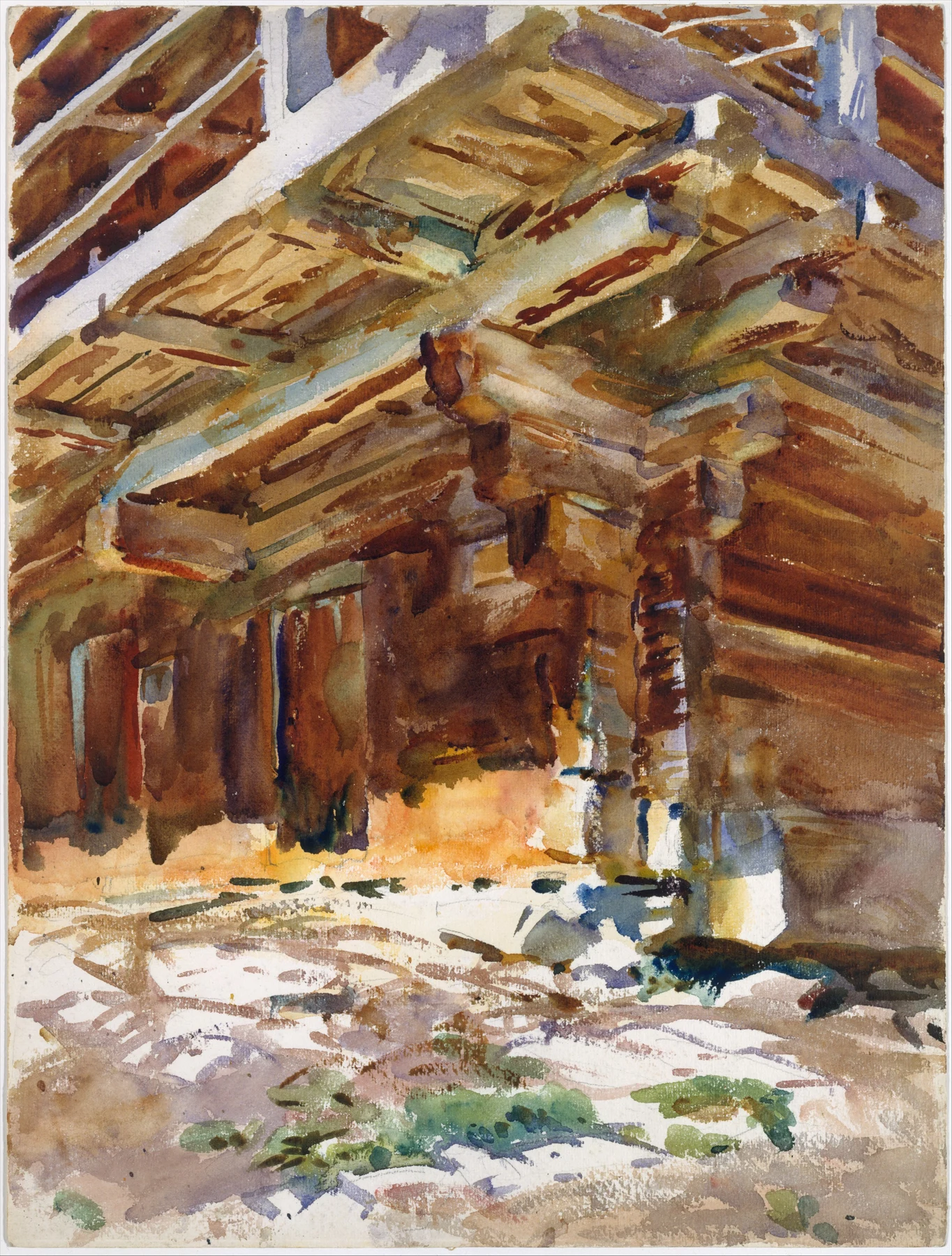
John Singer Sargent · Abriès, ca. 1912
The pleasure of a decisive mark starts before it touches the paper. Look at Abriès for a lesson in cropping, connected shapes and knowing where to spend your attention.
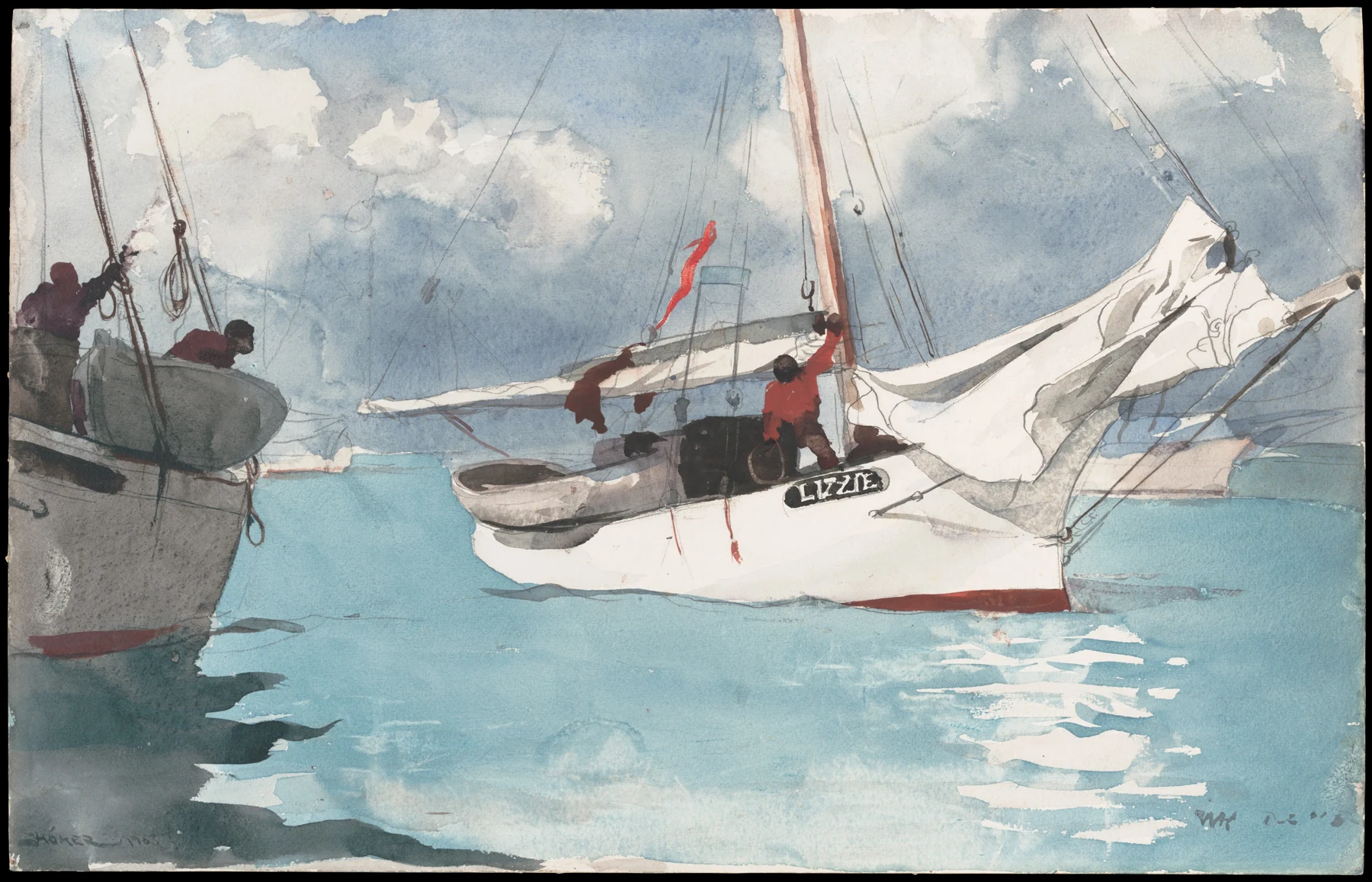
Winslow Homer · Fishing Boats, Key West, 1903
Fishing Boats, Key West is a marvellous excuse to leave something alone. Plan your light, connect your darks and stop explaining every ripple.
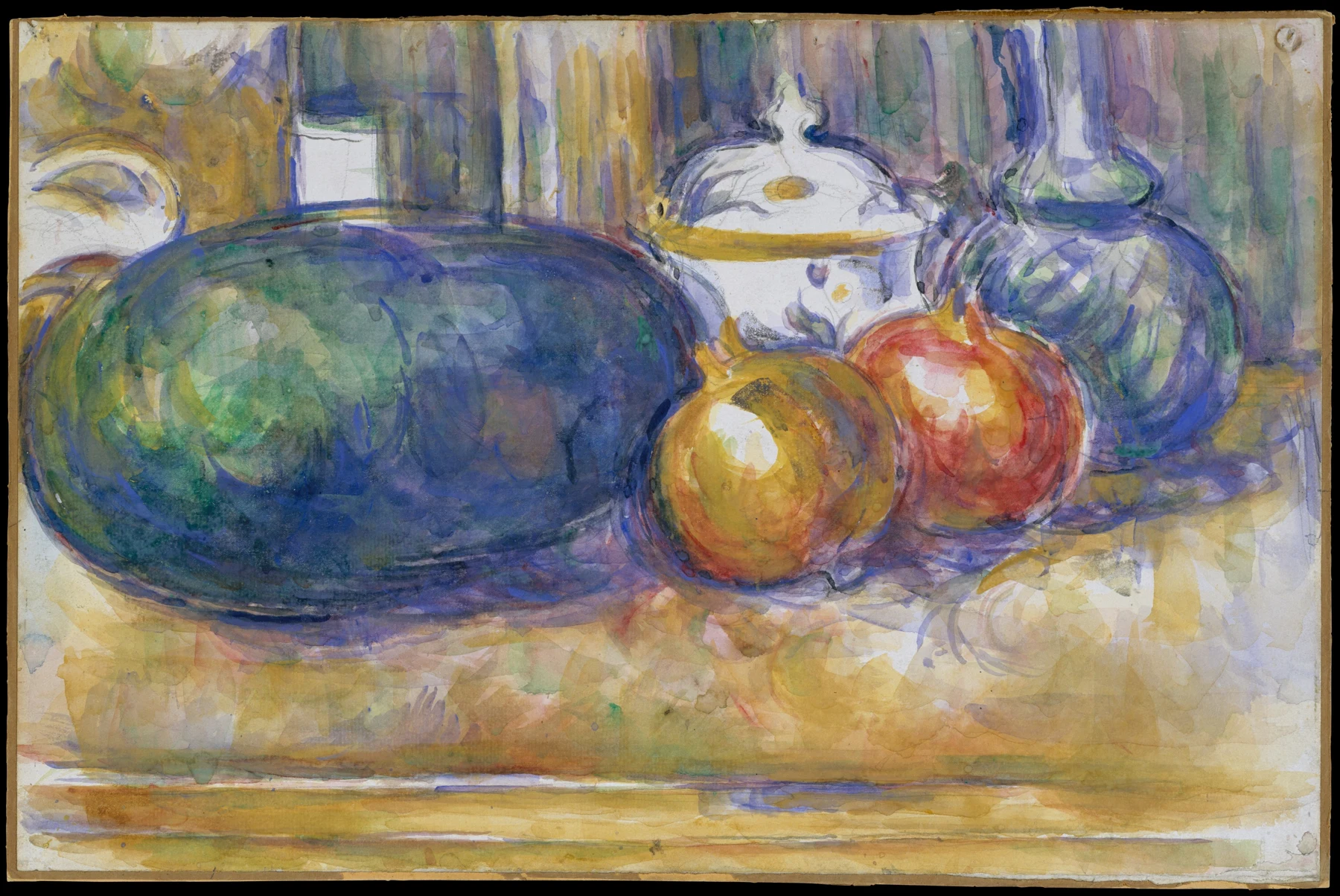
Paul Cézanne · Still-Life with a Watermelon and Pomegranates, 1900–1906
A fruit bowl becomes a small architectural problem. Learn to see colour relationships, leave breathing space and stop polishing every brushmark into submission.
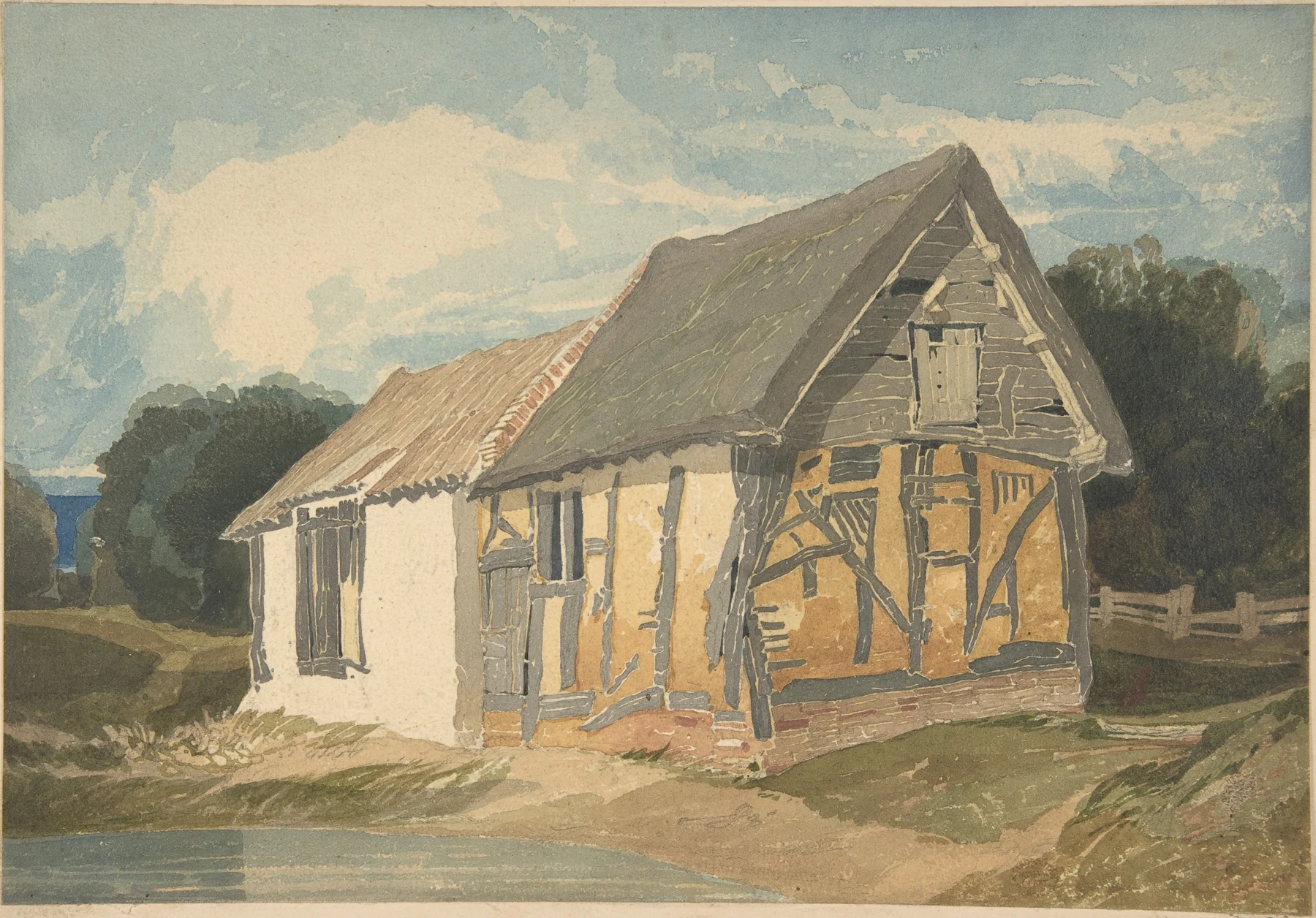
John Sell Cotman · Farm Building by a Pond, 1808–11(?)
A modest farm building, a stormy sea and the same useful question: what holds this picture together before the small brush gets involved?
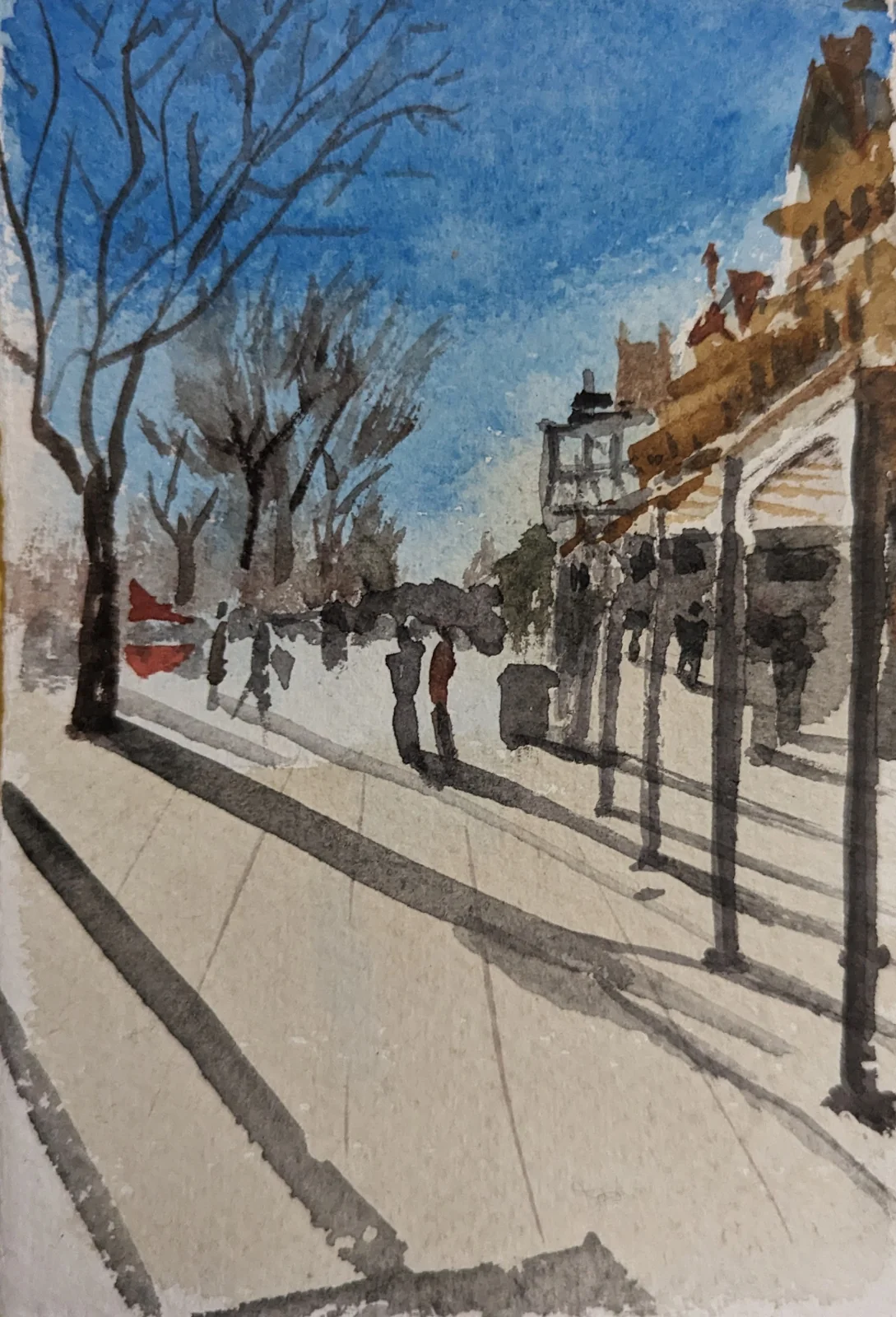
Long Shadows, Southport · Mark C Grant
Choosing an outdoor subject by what the picture needs, rather than what has the biggest visitor sign.
Waterstones, Liverpool · Mark C Grant
A small working habit for days when becoming a great artist has to fit around the washing.
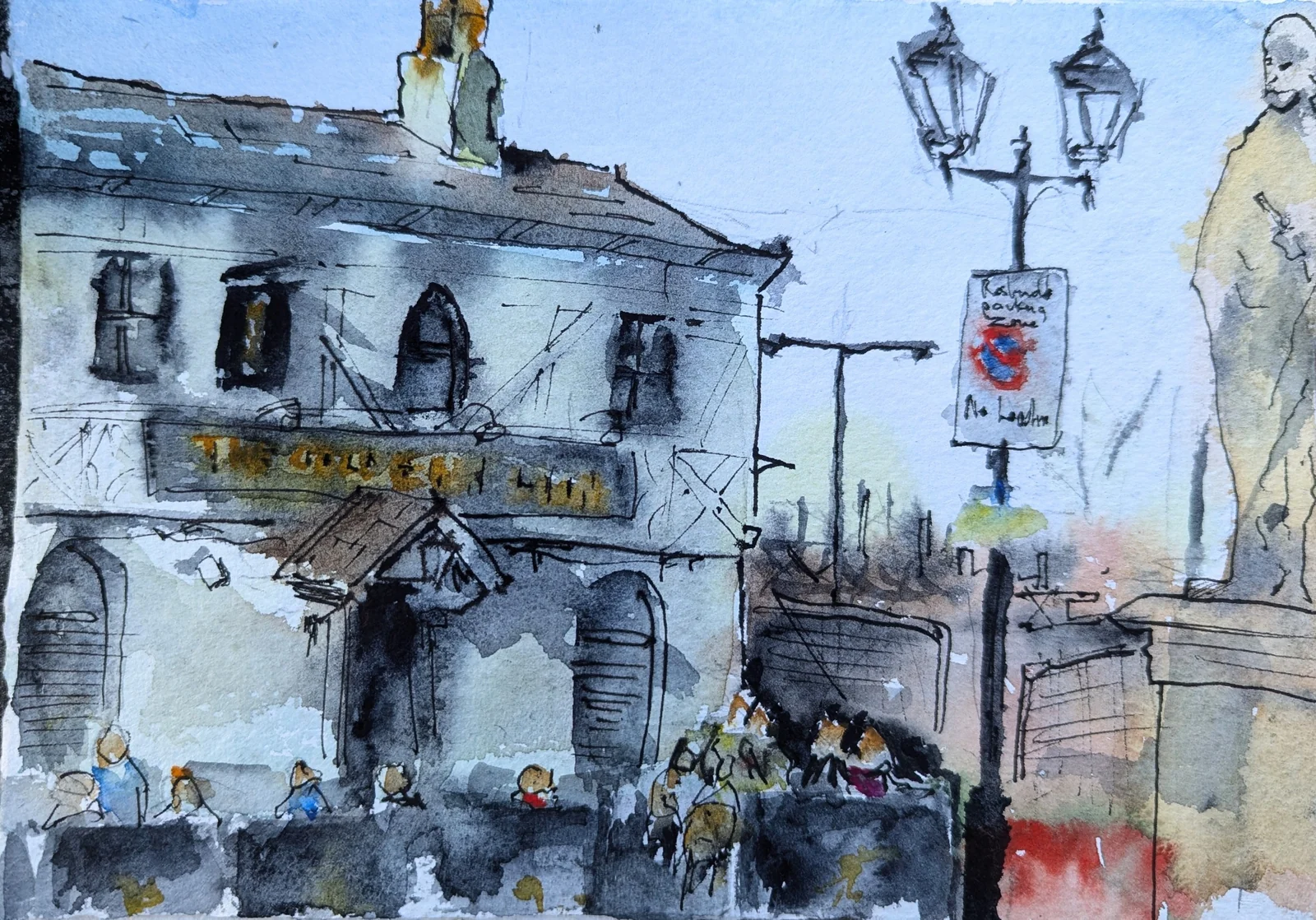
Outside the Golden Lion, Ormskirk · Mark C Grant
How to diagnose an awkward passage before your rescue operation becomes the main event.
A painting you can’t quite resolve. A small discovery. That one grey that keeps turning into pond water. Bring it to the table.
24 curated YouTube lessons, a clear learning path and something to paint after every film.

An introduction to supplies and basic strokes from Emma’s Watercolour Week. A sensible place to begin with the kit already on your table.

A focused practice lesson on pigment-to-water ratios. Jenna credits Brienne M. Brown for the Tea–Butter exercise discussed in the video.

A colour-mixing lesson and painting demonstration using just three paints. Small palette, plenty to investigate.
Street corners, bookshops, weather and the places we walk past. A few paintings made by the person behind the zine.
Look through Mark’s paintings →