Practical studies
Watercolour techniques and practical studies.
Specific things to try, with room for the water to have an opinion. A study is allowed to look like a study.
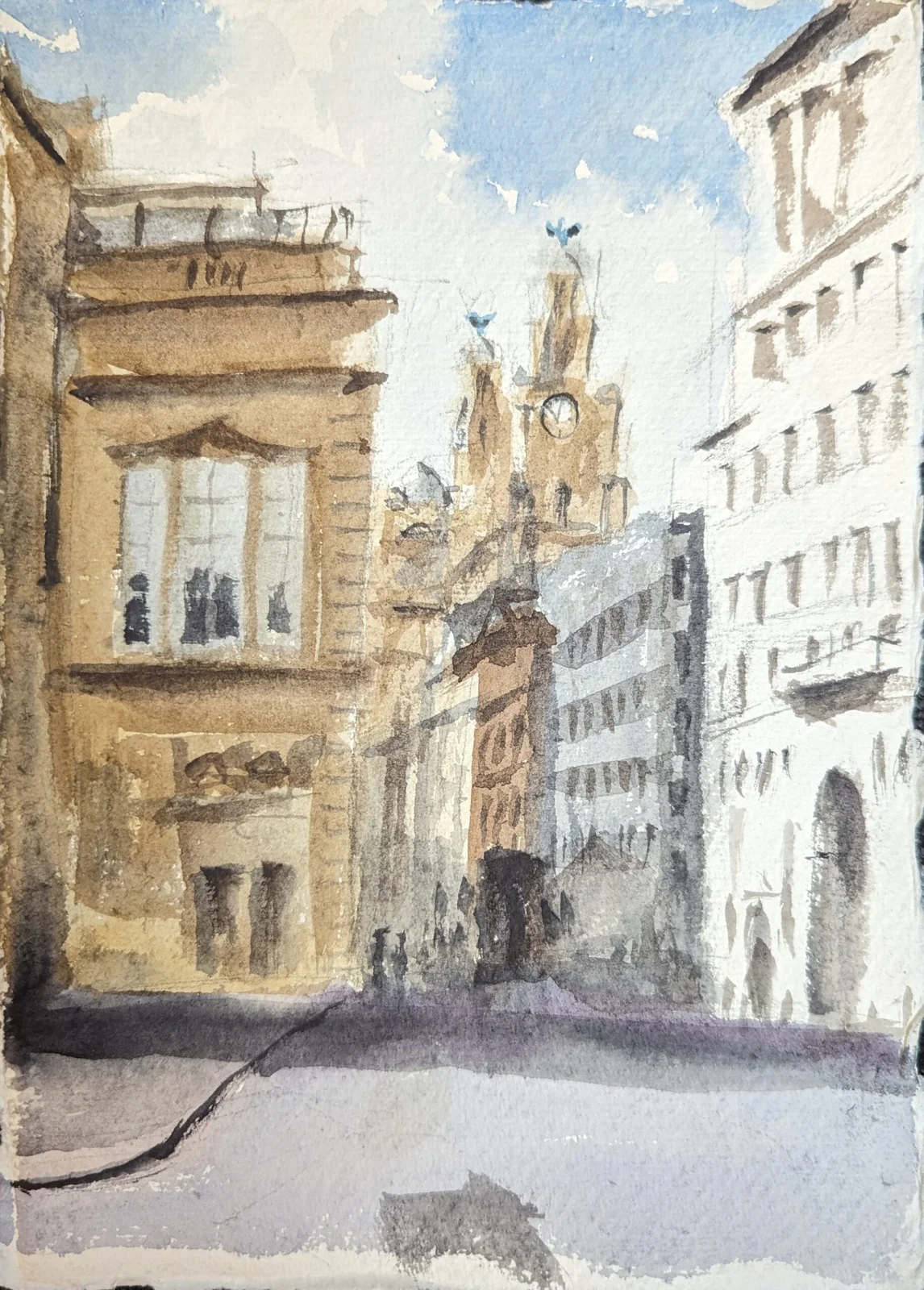
Water Street, Liverpool · Mark C Grant
Studio
Ukrainian artist-grade watercolour, a useful urban-sketching starter set, and the difference between a low price and good value. With reviews, films and a proper paper test.
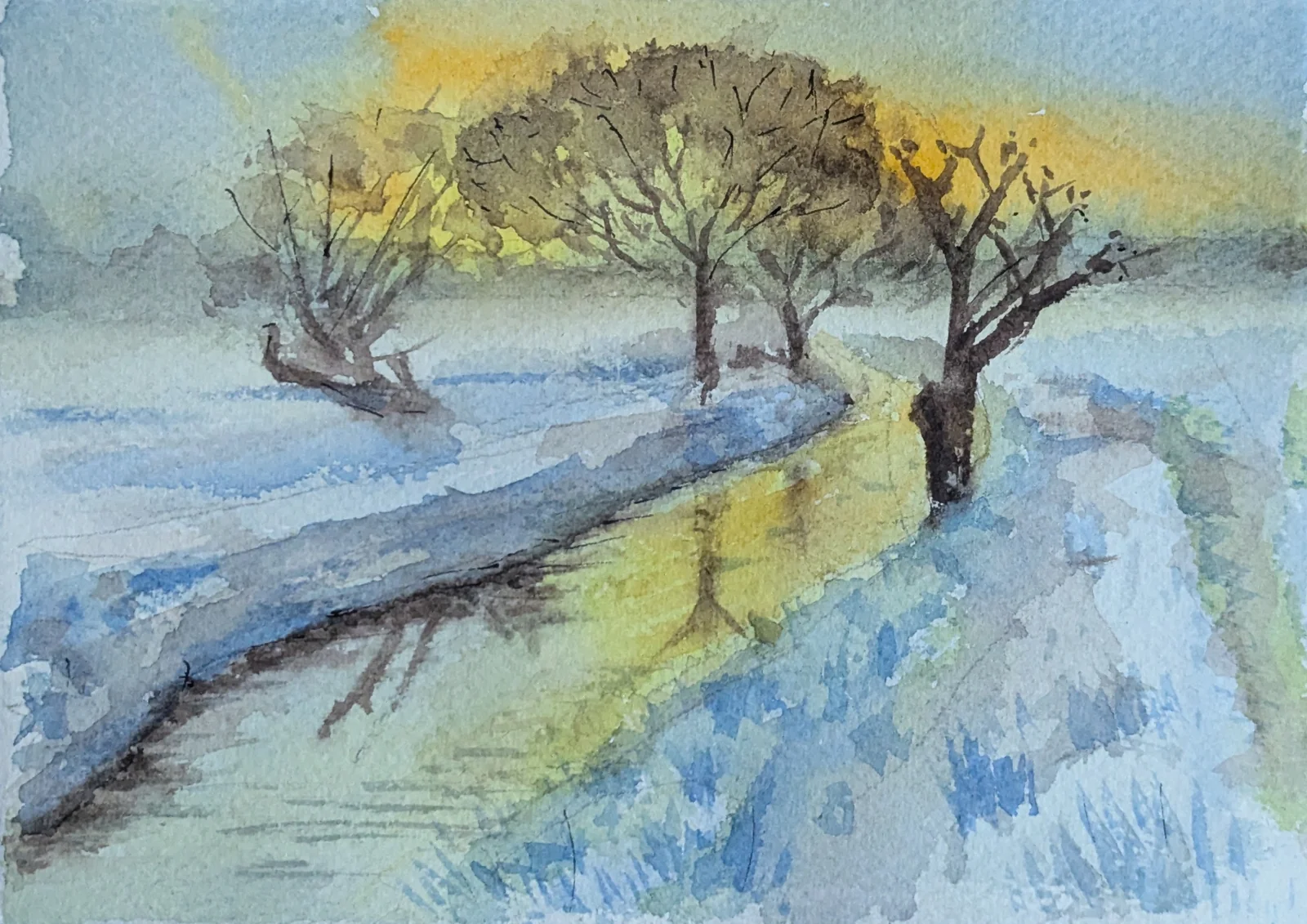
Winter Stream · Mark C Grant
Studio
Fibre, sizing, surface and weight—and why Mark’s Baohong rough 300 gsm belongs in the conversation before another tube of colour.
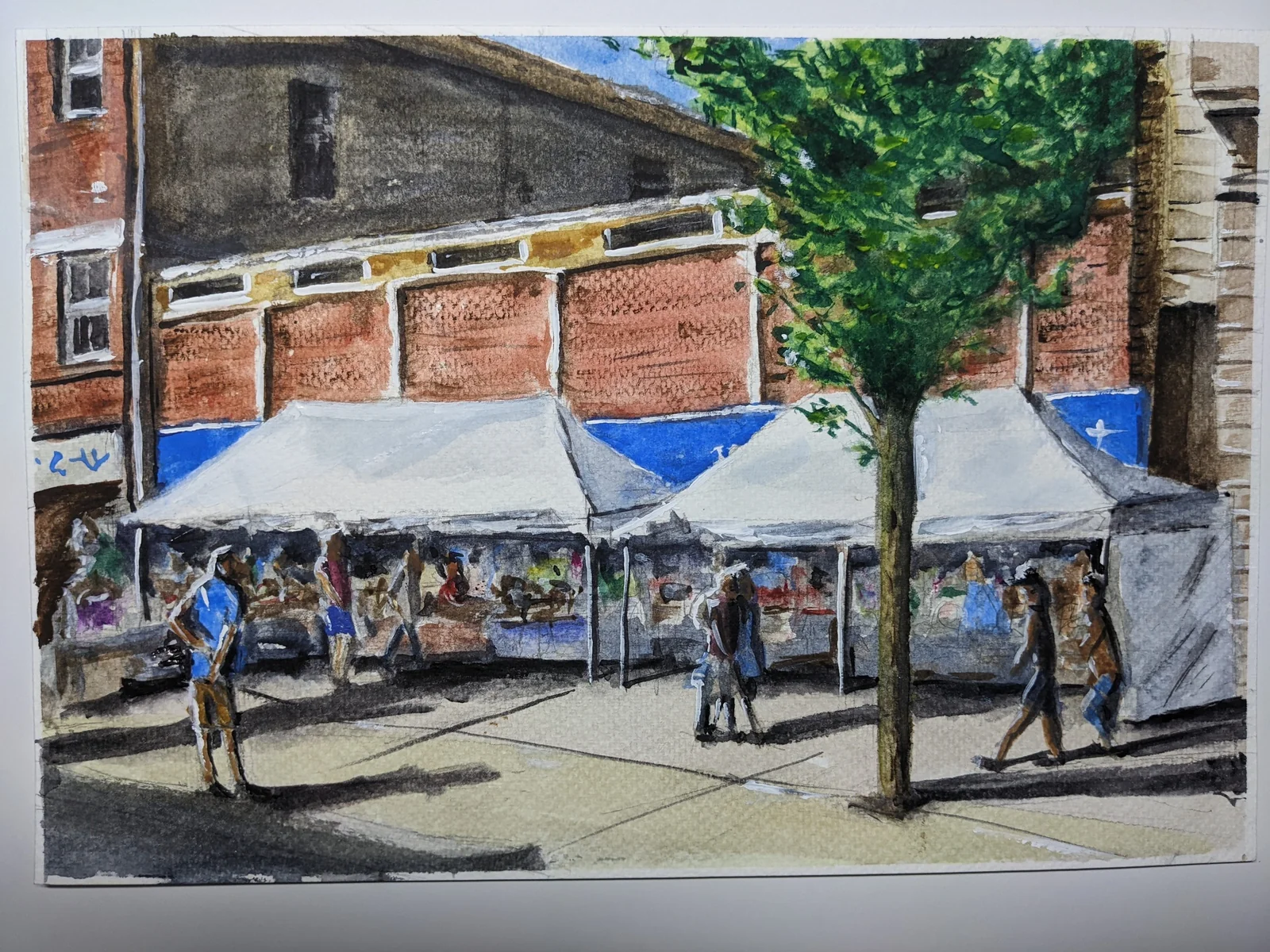
Market Stalls, Ormskirk · Mark C Grant
Studio
Pigment codes, transparency, granulation, staining and the useful difference between a colour name and the paint inside the tube.
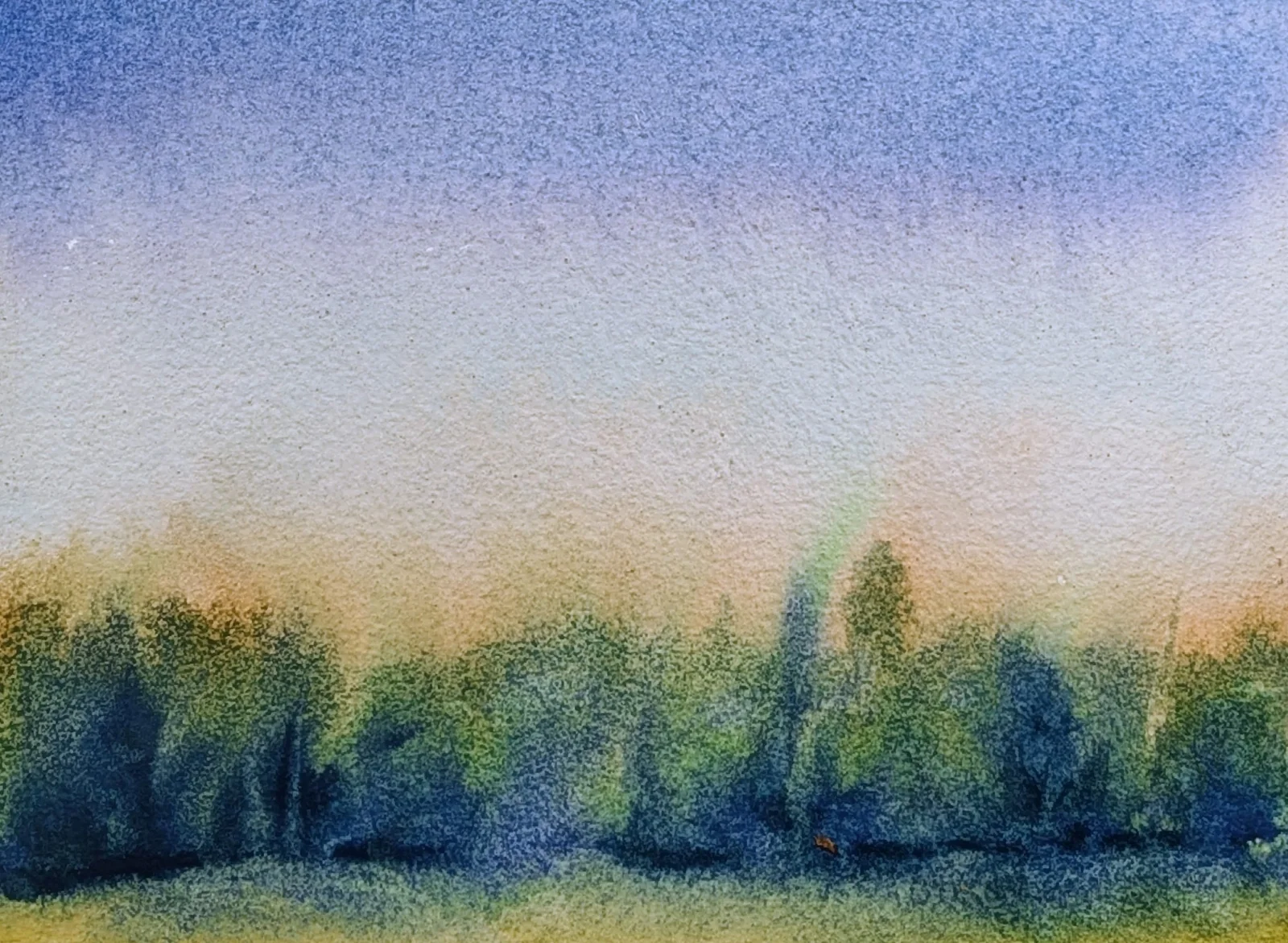
Treeline at Dusk · Mark C Grant
How to
Paper moisture and brush load work together. Compare the spread on wet, damp and dry paper, then use that difference to choose the edge your painting needs.
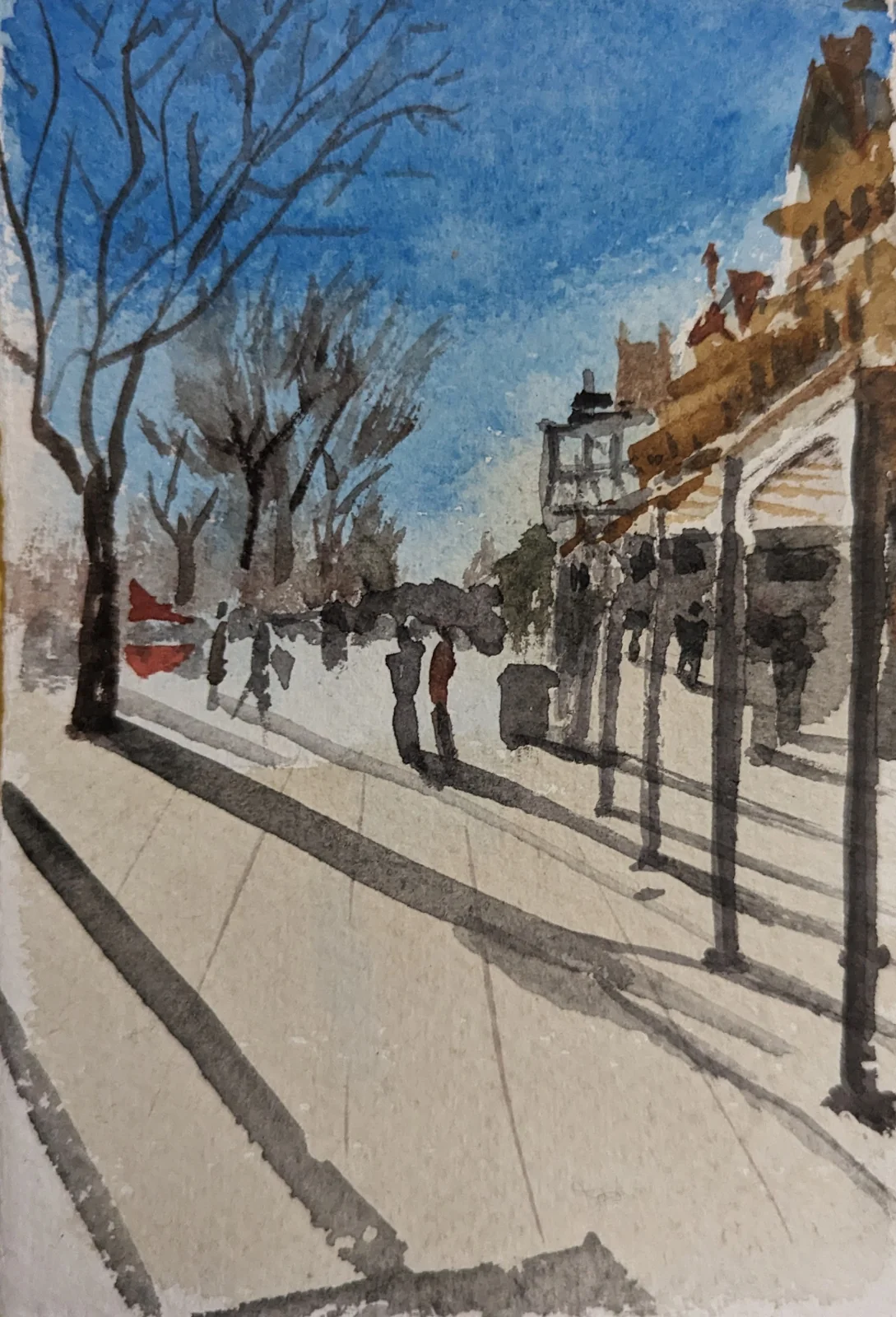
Long Shadows, Southport · Mark C Grant
How to
Get the light working before the architecture starts demanding individual attention.
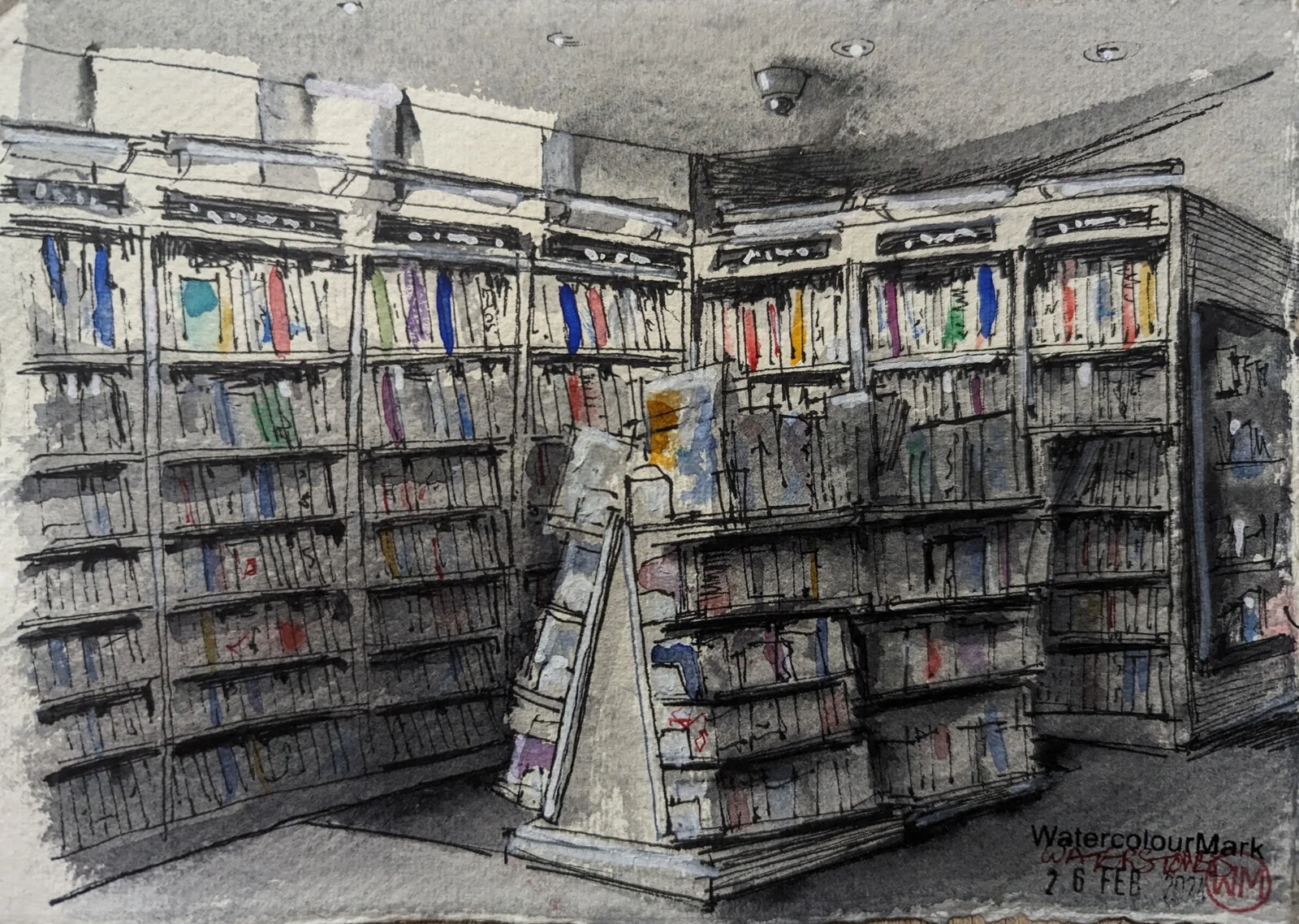
Waterstones, Liverpool · Mark C Grant
Studio
Every stage can give you something useful. The worthwhile upgrade is the one you can feel in the painting, not merely admire on the receipt.
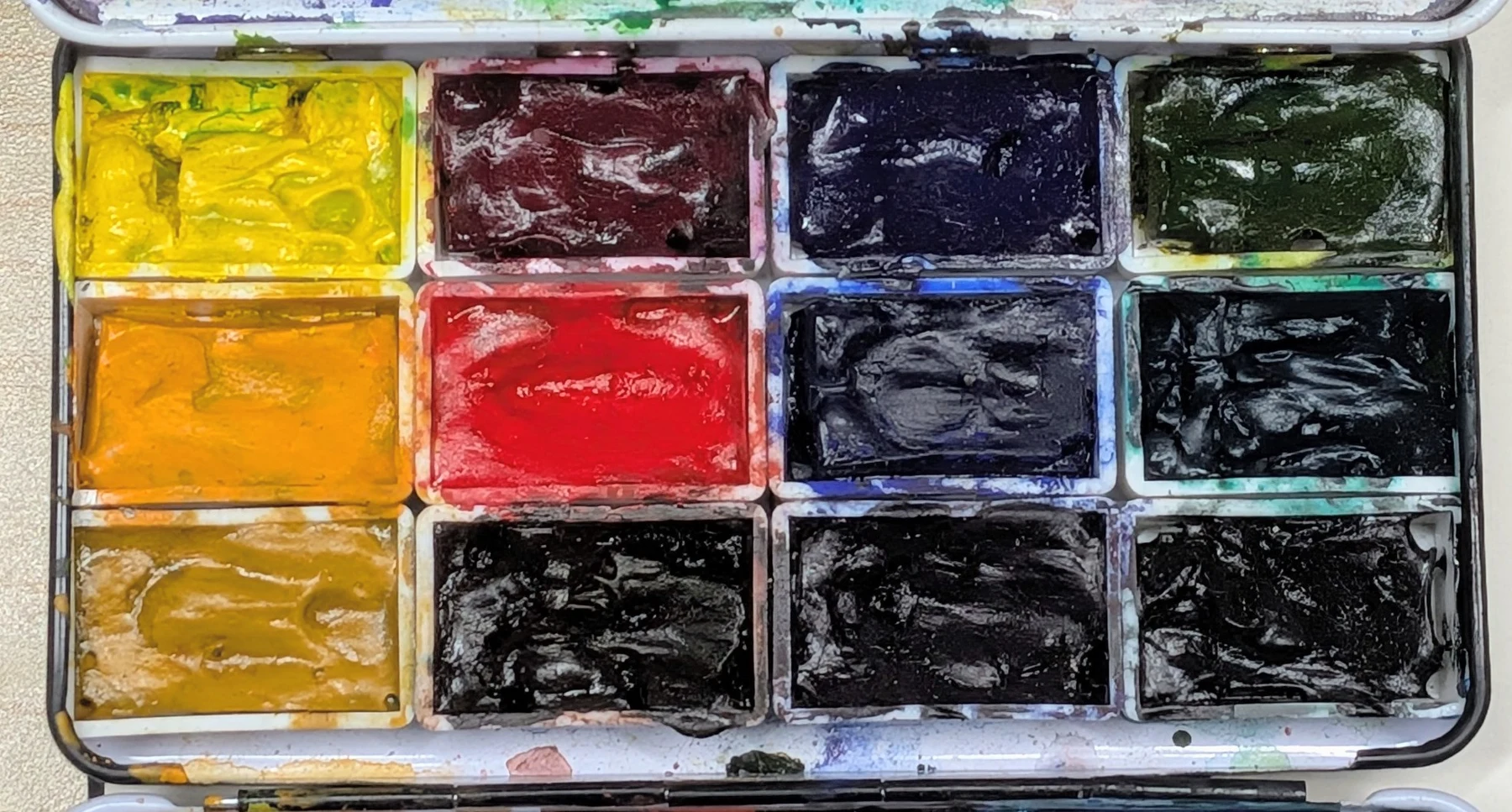
Mark C Grant · The working twelve: Mark’s palette layout, 25 October 2026
Studio
The actual box: three rows, four colour columns, and smaller palettes hiding inside the twelve. Start with one colour, build with two, or choose a yellow, red, blue and green.
Mark C Grant · The working twelve: Mark’s palette layout, 25 October 2026
Studio
Read the photographed box, find one-, two- and four-colour palettes within it, then explore sixteen starting mixtures for Liverpool skies, brickwork, shadows and greens.
Water Street, Liverpool · Mark C Grant
Studio
Capacity, spring, a useful point and the pleasure of a brush that does what your hand expected. A practical guide, starting with Mark’s travel kit.
Winter Stream · Mark C Grant
How to
A small palette, a leaf, and a way out of the same bright green everywhere.
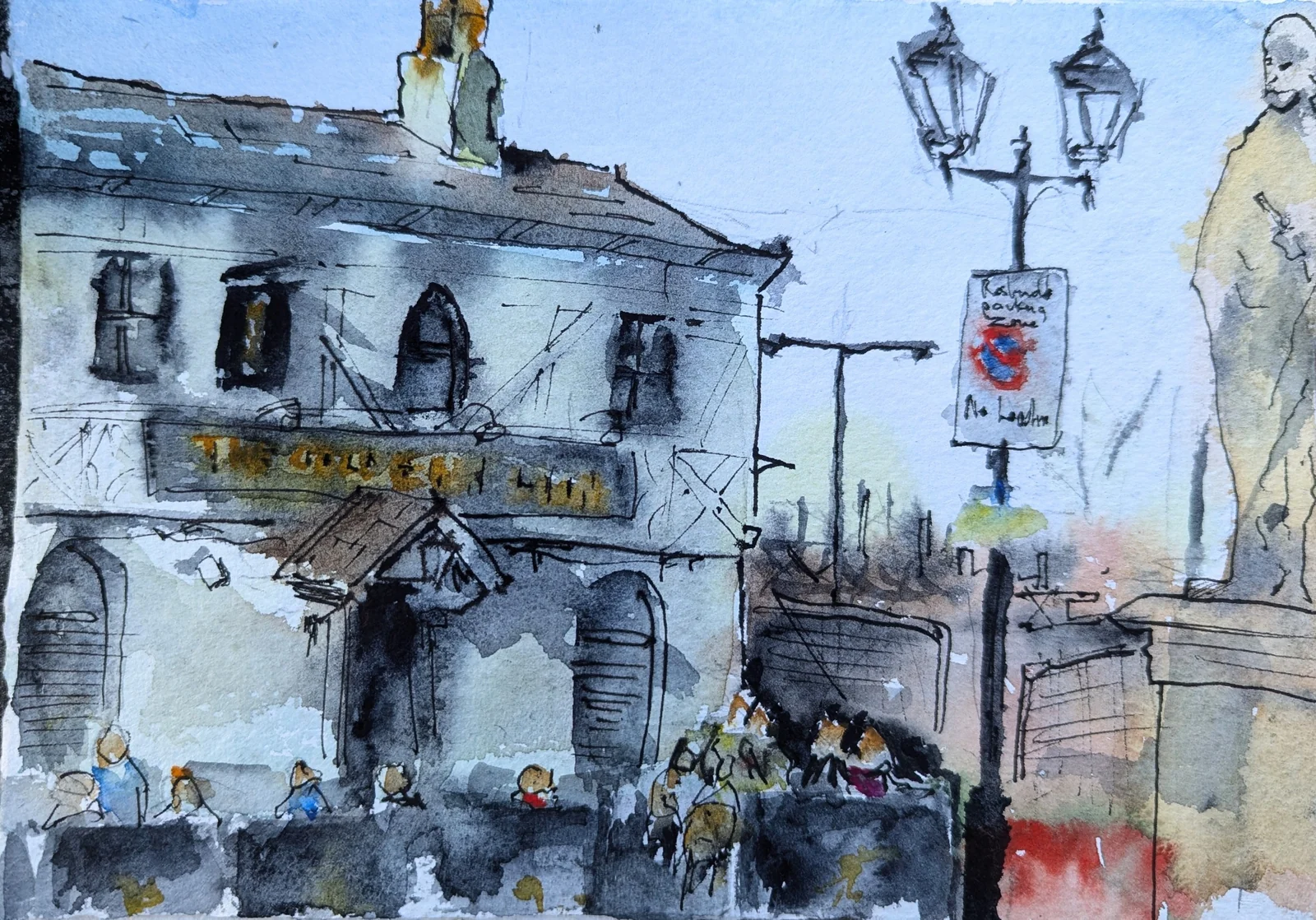
Outside the Golden Lion, Ormskirk · Mark C Grant
Studio
How to diagnose an awkward passage before your rescue operation becomes the main event.
Waterstones, Liverpool · Mark C Grant
Studio
A small working habit for days when becoming a great artist has to fit around the washing.
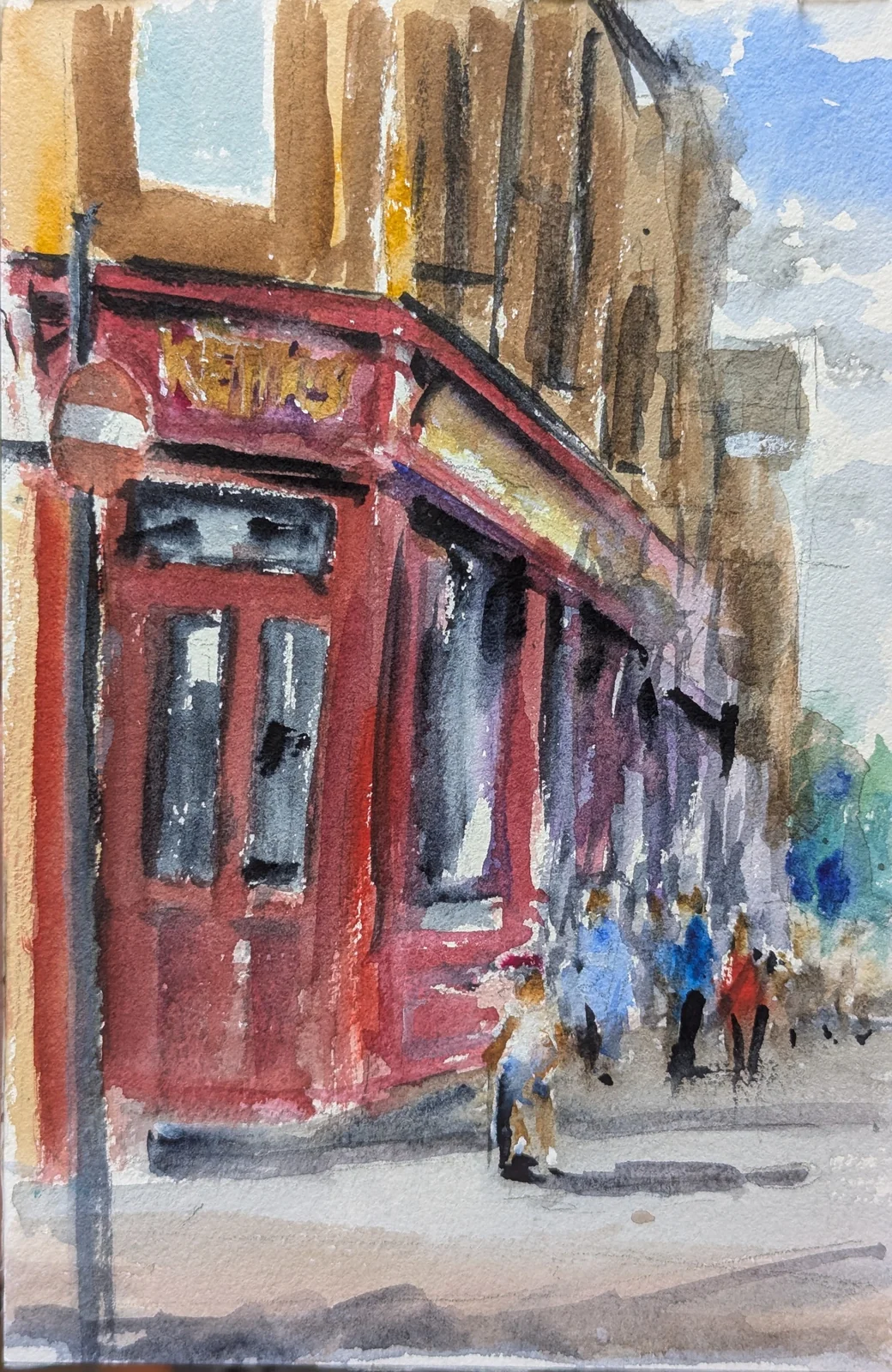
Keith’s, Lark Lane, Liverpool · Mark C Grant
Studio
Cotton, cellulose, sizing and pigment labels, without the art-shop superiority complex.
Winter Stream · Mark C Grant
How to
Negative painting: a useful skill with an unnecessarily gloomy name.
Treeline at Dusk · Mark C Grant
How to
Cloud studies that remember the weather, rather than producing another row of decorative cauliflowers.

Nao Santa María, Liverpool · Mark C Grant
How to
Paint the relationships in the water before reaching for forty-seven horizontal lines.
Long Shadows, Southport · Mark C Grant
Studio
Choosing an outdoor subject by what the picture needs, rather than what has the biggest visitor sign.