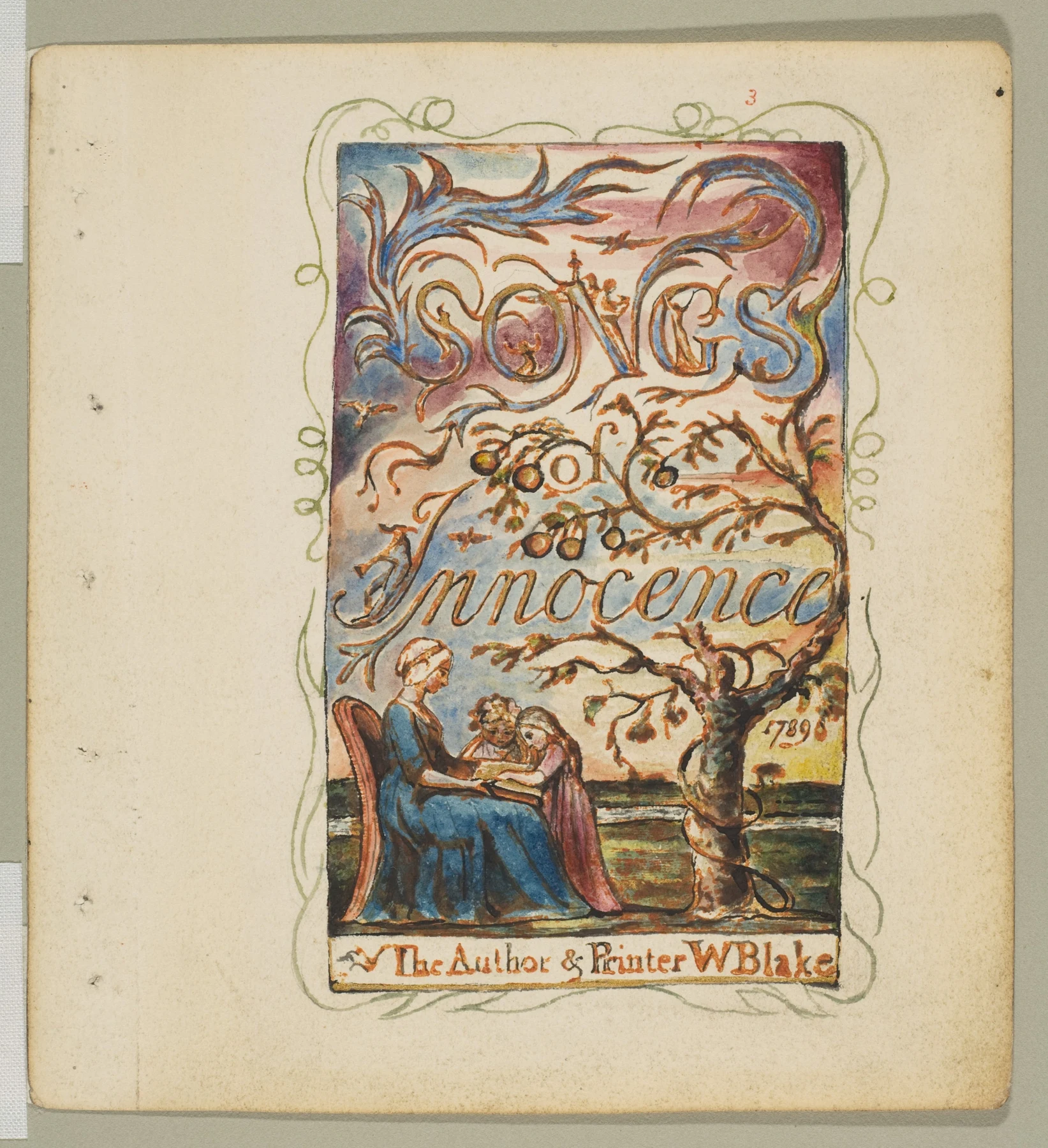
When words grow leaves: William Blake’s painted poems
A poem can occupy a page like a landscape. Blake’s illuminated books offer a lively lesson in lettering, colour and making the margins earn their keep.
Read, look & explore →The reading room
Paintings talk to poems, films and music. Here are specific works to explore, connections we can document, and comparisons worth trying for ourselves.
A poem can occupy a page like a landscape. Blake’s illuminated books offer a lively lesson in lettering, colour and making the margins earn their keep.
Read, look & explore →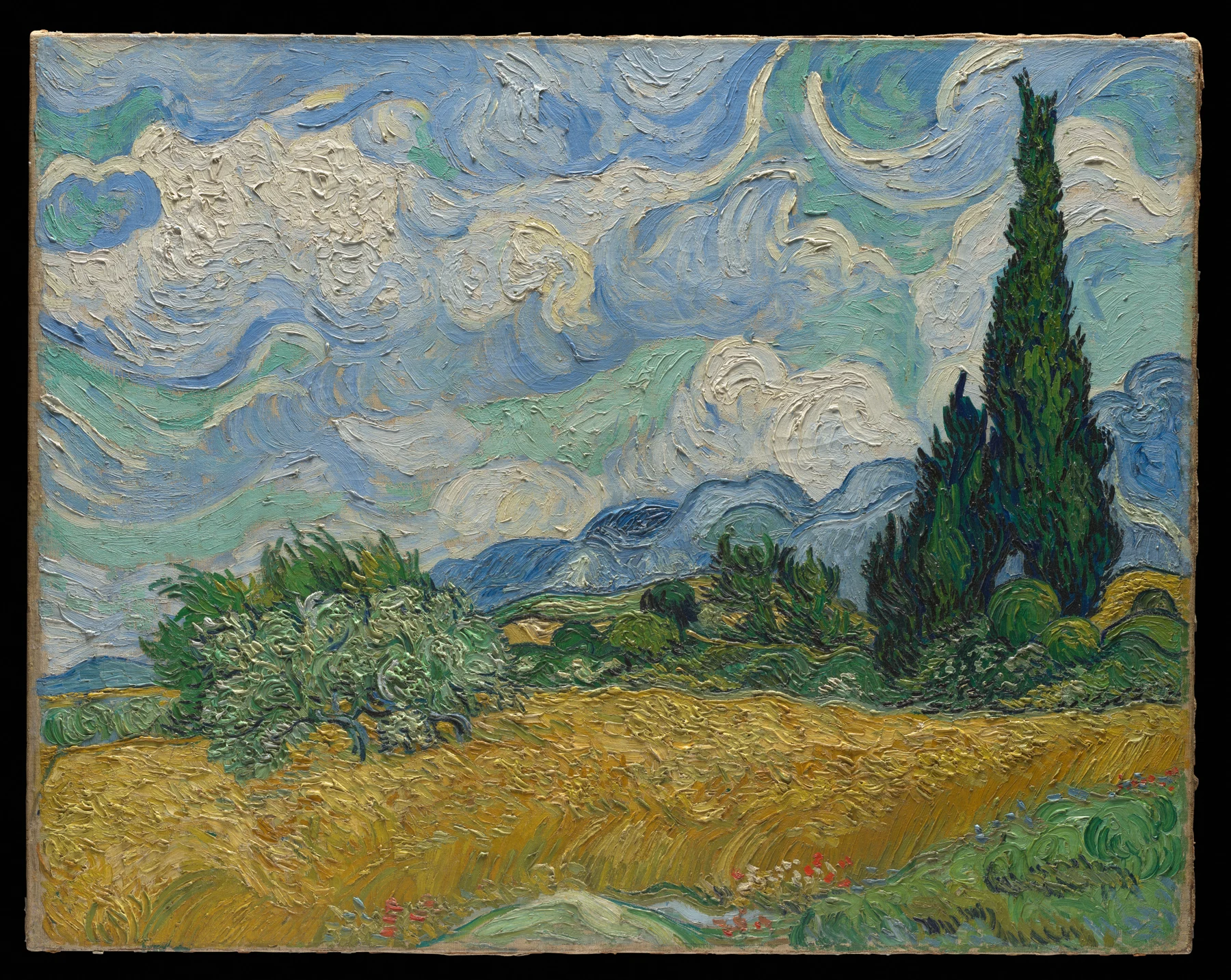
Dreams makes an encounter with art wonderfully literal. Its painterly spaces also offer a practical question: how will someone travel through your next watercolour?
Read, look & explore →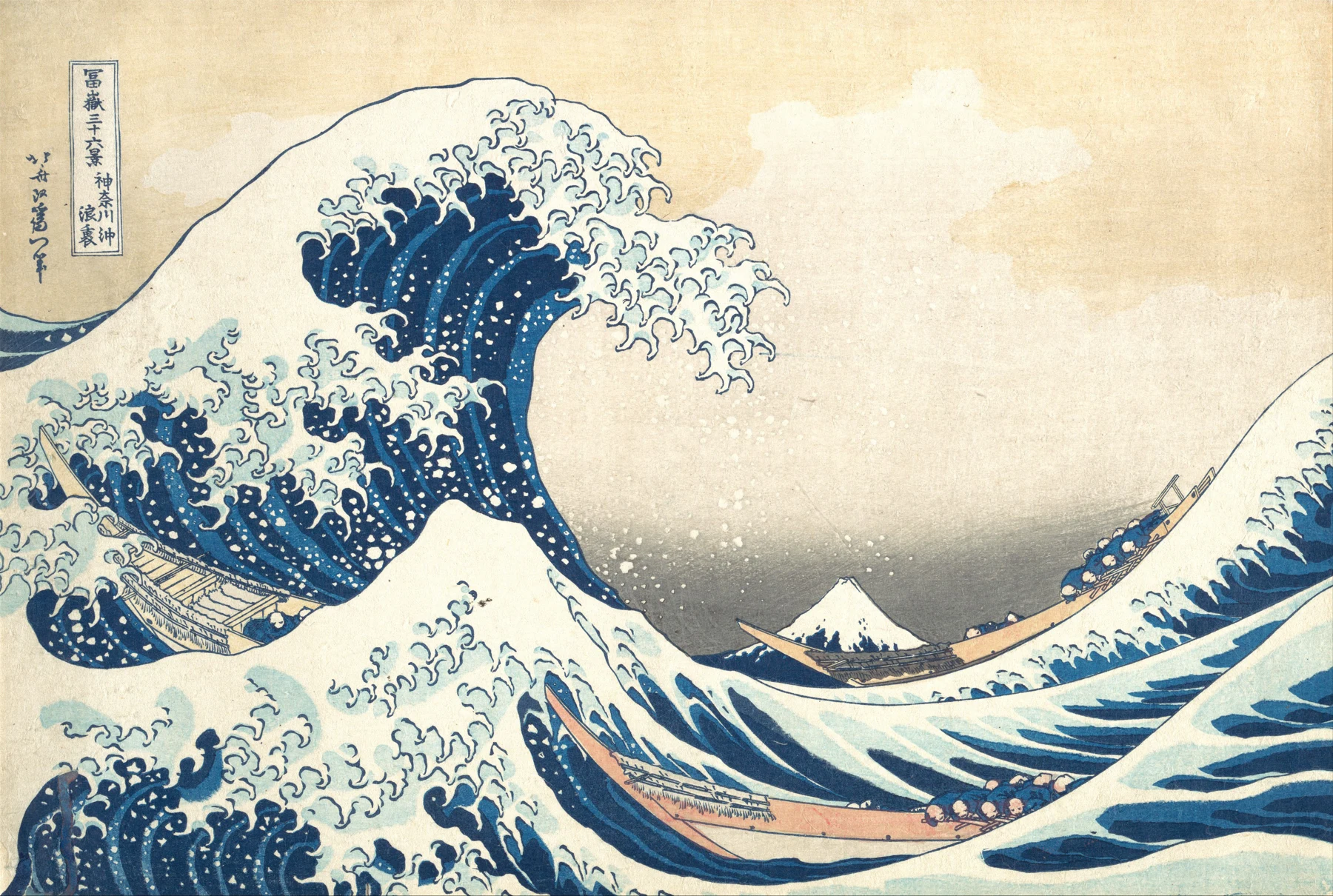
A documented connection between a Japanese print and French music opens a useful studio conversation about repetition, intervals and the shapes we leave quiet.
Read, look & explore →Sometimes there is evidence: a painter illustrates a poem, a director puts a painting into a film, a composer chooses a print for a score. Sometimes we are making a comparison about rhythm, colour or space. Both can be useful; they are different kinds of claim.
Our articles say which is which. Follow the sources, look at the works, and disagree with the interpretation if the evidence takes you somewhere else.